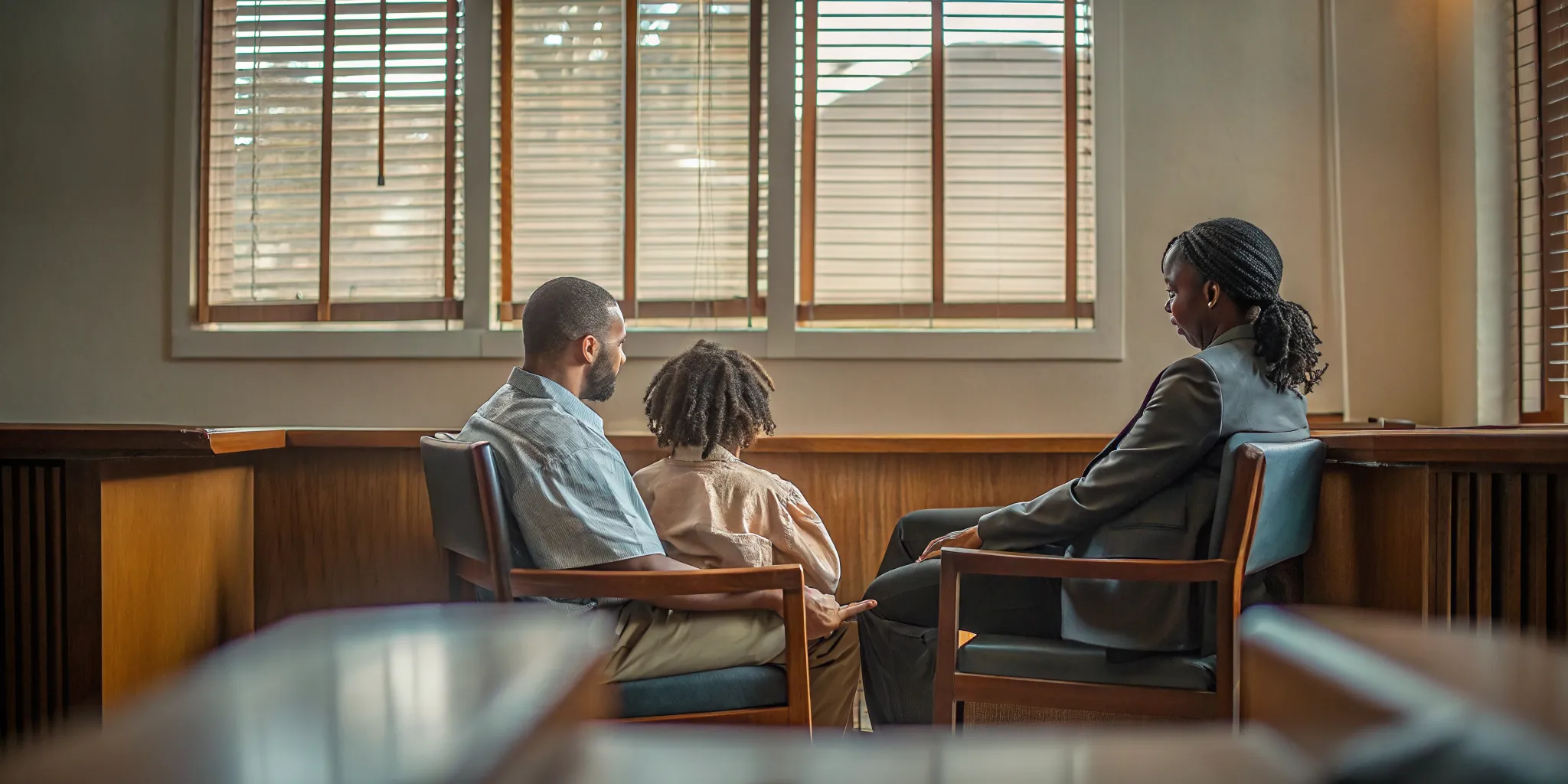
A minor sitting in a detention cell for the first time is a shock for any California family. You might expect to call a bond agent and pay for a release. Instead of a price tag, a judge looks at the case during a hearing.
Finding juvenile bail bonds California is a common goal for parents, but the state does not actually use a money bail system for minors. In the juvenile system, a judge decides if a child stays in custody or goes home based on safety and the arrest facts. Instead of paying a fee, families must go to a detention hearing where the court reviews the case. This hearing usually happens within 48 hours of the arrest to protect the minor’s rights under California Welfare and Institutions Code 632. The goal is to help the minor and bring the family back together instead of using punishment. Cash bail is not an option for getting a minor out of a detention center.
You might feel lost when you help your child navigate this legal path. It is vital to learn how the California juvenile justice system differs from adult court so you can help your family through this crisis. This knowledge shows why there is no price tag on freedom and the path begins with learning how the system treats minors.
How the California Juvenile Justice System Differs from Adult Court
When a child gets arrested, many parents look for California bail bonds process help right away. They often think the steps for a minor will be the same as for an adult. But the truth is that the two systems work in very different ways. Knowing how they differ can help you stay calm and make the best choices for your family during a hard time.
Rehabilitation versus Punishment
The adult criminal justice system focuses mostly on punishment and public safety. Adult courts use the California Penal Code to hand down fines, probation, or jail time. The goal is often to penalize the adult for a crime. The juvenile system has a different focus. This system operates under the California Welfare and Institutions Code (WIC). The law says the main purpose of the juvenile court is to ensure the care, protection, and healthy mental and physical growth of children who enter its jurisdiction. The system wants to help and reform the youth rather than just punish them.
Jurisdiction and Age Limits
The juvenile court handles cases for minors who are under the age of 18 at the time of the offense. If a youth is found to be a ward of the court, the judge can keep jurisdiction over them. This means the court can monitor their progress and order services for them. The juvenile court can keep this power over the youth until they turn 21 years of age, or even longer in some serious cases. This long-term care helps the court make sure the minor gets the school, therapy, and support they need to build a better future.
No Cash Bail for Minors
The biggest difference parents face is the absence of commercial bail. In adult court, you can pay a bail bond premium to get a loved one out of jail within hours. This option does not exist for minors. California law does not allow cash bail in the juvenile system. The state wants release decisions to be based on the child’s needs and safety, not on a family’s ability to pay. Instead of a financial transaction, you must work through the detention hearing process to secure your child’s release.
What Happens When a Minor Is Arrested in California
When a minor is taken into custody in California, the process moves quickly to protect the child’s rights. The system focuses on care and return to the family. Most minors are released to their parents or guardians shortly after the arrest. If the case is more serious, law enforcement will follow a set legal path to decide if the minor should stay in custody.
Law Enforcement and Custody
The minor arrest process California begins when an officer stops or detains a youth. The officer can give the minor a warning and let them go, or they can take the minor to the police station. If the officer takes the minor to the station, they must contact the parents right away. The officer then decides whether to release the minor to the parents or write a ticket. If the offense is serious, the officer may transport the minor to a local juvenile hall.
The Probation Officer’s Role
If the minor goes to juvenile hall, a probation officer takes over the case. This officer has a lot of power. They interview the minor, the parents, and the police. The probation officer then decides if the minor can go home or if they must stay in juvenile hall. If the officer wants to keep the minor in custody, they must file a petition with the court. This petition is similar to the charges filed in adult court. In most delinquency cases, the district attorney files a WIC 602 petition, which alleges that the minor did something that would be a crime if they were an adult.
The 48-Hour Release Rule
To protect the minor, the law sets strict time limits on how long they can be held. Under California Rules of Court, a child must be released from custody within 48 hours after being taken into custody, excluding weekends and holidays, unless a petition has been filed. If you are trying to find where your child is, you can use a locating a minor in custody guide to track them down. Understanding the arrest procedures in California will help you hold officials accountable to these timelines.
How Juvenile Detention Hearings Work
When a child is taken into custody, the court process differs from what adults face. In the adult system, families often use the adult bail process to get a quick release. But the juvenile court does not use cash bail for minors. Instead, the court holds a detention hearing to decide if a minor should stay in custody or go home. This hearing is how a judge weighs the child’s needs against public safety.
The Purpose of the Hearing
The detention hearing is the first formal court date for a minor in custody. It must happen quickly. Under California Welfare and Institutions Code 632, the hearing must take place as soon as possible, but no later than the next judicial day after the petition is filed. For most misdemeanor and felony cases, this means the hearing occurs within 48 to 72 hours of the arrest. The main goal of this hearing is to decide if the minor needs to stay in juvenile hall while the case is active, or if they can safely go home to their parents.
Who Participates and What the Judge Considers
Several people participate in the detention hearing. The probation officer presents a written report. This report details the minor’s home life, school record, and any prior contact with the law. The minor’s attorney speaks for the child, while the district attorney speaks for the state. Parents or guardians are also present and can speak to the judge. Under Rule 5.760, the judge considers many factors. These include whether the minor is a flight risk, whether they are a danger to themselves or others, and whether the home is a safe place for them.
Possible Outcomes: Release or Continued Detention
The judge has several options at the end of the hearing. The best outcome is an immediate release to the parents with no conditions. The judge can also order a conditional release. This might include home supervision, electronic monitoring, or a curfew. If the judge believes the minor is a flight risk or a danger to the community, they will order continued detention in juvenile hall. If your child is held, you can review options if bail is denied to understand the next steps in the legal process.
When Can a Minor Be Tried as an Adult?
Most youth cases in California stay in the juvenile system. This system focuses on help and rehab rather than punishment. But the law has a special rule for very serious crimes. The Office of Juvenile Justice and Delinquency Prevention states that minors at least 14 years old can be tried as adults. This happens for violent crimes like murder or armed robbery. This shift is a major event for any family. It changes how the court views the minor and what kind of help they can get.
The Transfer Hearing Process
Before a minor can be sent to adult court, the judge must hold a transfer hearing. During this hearing, the judge looks at five specific factors. These include the minor’s sophistication, whether they can be rehabilitated in the juvenile system, their prior delinquent history, the success of previous rehab efforts, and the gravity of the offense. The prosecutor must show that the minor cannot be helped by the juvenile system. If the judge agrees, the case is transferred to adult criminal court.
Bail in Adult Court for Minors
If the juvenile court judge transfers the case to adult court, the rules change completely. Once a minor enters the adult criminal system, they gain the same rights as adult defendants. This includes the right to a jury trial and the right to seek cash bail. This is the only scenario where the traditional bail process applies to a minor. In these rare cases, families can use a commercial bail bond to secure their child’s release from an adult jail. If your family faces this complex situation, Bail Hotline can provide the bond services and guidance you need.
Steps Parents Should Take After a Minor’s Arrest
Finding out your child is in police custody is a scary moment. You may feel rushed to act, but staying calm is the most important first step. In California, the juvenile system moves fast. You must learn the process to help your child get home. Many parents look for juvenile bail bonds California services, but the juvenile court does not use cash bail. Instead, the focus is on safety and growth.
Act with Calm and Focus
When you get the call that your child has been arrested, take a deep breath. Your child needs you to be focused and organized. Do not argue with the police officers or make threats. Write down the name of the officer who contacted you, their badge number, and their department. Ask where your child is being held and what they are accused of. You should also look up steps for families after an arrest to make sure you do not miss any critical actions.
Contact a Juvenile Defense Attorney
Do not let your child speak to the police or probation officers without an attorney. Minors have the right to remain silent, just like adults. Contact a lawyer who specializes in California juvenile law as soon as possible. A skilled attorney can speak to the probation officer before the petition is filed. They can argue for an informal probation program or an immediate release, which can keep your child’s record clean and avoid a formal court process.
Prepare for the Detention Hearing
If your child is held in juvenile hall, prepare for the detention hearing immediately. Gather letters from teachers, coaches, or counselors that show your child is a good student and a responsible person. Show the judge that you have a stable home and a plan to supervise your child. Let the court know you can take your child to school and therapy. Your active involvement shows the judge that detention is not needed to keep your child on the right path.
Frequently Asked Questions
Do juveniles get bail in California?
No, juveniles do not get cash bail in California juvenile court. The juvenile justice system does not use a money-based release system for minors. Instead, release decisions are made by a judge during a detention hearing. The judge decides whether the minor can go home or must stay in juvenile hall based on safety, flight risk, and the facts of the case. Traditional bail bonds only apply if the minor is transferred to adult criminal court.
How are juvenile release decisions made in California?
Release decisions are made by a probation officer or a juvenile court judge. When a minor is arrested, the probation officer evaluates the child’s history, home environment, and offense severity. They can release the minor to their parents immediately. If the minor is kept in custody, a judge makes the final decision during a detention hearing after listening to the probation officer, the defense attorney, the parents, and the prosecutor.
What is the timeline for a juvenile detention hearing?
Under California Welfare and Institutions Code 632, a detention hearing must happen quickly. If a minor is held in custody, the hearing must occur as soon as possible, but no later than the next judicial day after the petition is filed. This typically means the hearing takes place within 48 to 72 hours of the initial arrest, excluding weekends and holidays. If this deadline is missed, the minor must be released.
Can a minor be released to parents before the court date?
Yes, many minors are released to the custody of their parents or guardians prior to their initial court date. The arresting officer or the probation officer can decide to release the minor on a promise to appear. They may also set informal probation or home supervision rules. This allows the minor to stay at home and continue attending school while the legal process moves forward.
When is bail considered for a juvenile in California?
Bail is only considered for a juvenile in California if their case is transferred to adult criminal court. This transfer can occur if a minor is at least 14 years old and is charged with a serious or violent felony. Once the case moves to adult court, the minor gets the same constitutional rights as an adult, including the right to post commercial bail to secure their release.
Get expert help for your family in the juvenile justice system
Waiting to act can keep your child in jail longer than needed, so every hour counts when you want to bring your loved one home now. Starting now helps you stay on top of the case and gives your family the best chance for a fast release from the court. If you miss key steps, your child could face more time in a locked facility, so taking action today will protect your minor’s rights. Our team is here to help you through every part of the legal process and make sure you have the tools to succeed today. Do not let the clock run out while your family waits for answers and legal help.
Ready to talk to a bail expert? Call 1-888-958-1228 for 24/7 help from Bail Hotline Bail Bonds to get immediate guidance and support with the juvenile justice system.
