
TL;DR: This beginner-friendly guide explains how bail bonds work, who’s involved, and what to expect when securing release from jail. Readers will learn the process, costs, responsibilities, and key differences between bail options.
- Bail bonds are surety agreements where a bondsman posts bail for a fee (typically 10–15%) when defendants can’t pay in full
- A bail bondsman provides the funds, often requiring collateral and a co-signer (usually a friend or family member)
- Bail ensures defendants return to court; failure to appear can lead to warrants, financial liability, or recovery actions
- Costs vary based on bail amount, crime severity, and risk factors like flight risk
Alternatives like cash bonds require full payment upfront, while bail bond agencies offer more accessible options
If you’re ever in a situation that calls for bail, it’s time to do some research pertaining to how bail bonds work. This is because bail bonds are complicated and can vary based on the crime, your record, and several other factors. To help get you started, our team at Bail Hotline has created a crash course in bail bonds that covers all the need-to-know information, including answers to questions such as, “how do bail bonds work?”, “what role does a bondsman play?”, and other relevant queries.
How Do Bail Bonds Work?
What is a bail bond and how does it work? A bail bond is a type of surety bond that is given by a surety bond company. It is provided through a bail agent or bail bondsman. When a defendant is unable to pay the bail amount set by the judge, they seek help from a bail bondsman or bail bond agency. The defendant typically pays the bondsman or agency 10% of the bail amount, then the bondsman or agency posts the bail bond, ensuring they are released from jail.
Who is a Bail Bondsman and What Do They Do?
To understand how bail bonds work, it’s important to know the role played by a bondsman. A bond agent (or bondsman) pledges property or money to bail defendants out of jail. Typically, these agencies take a percentage of the bond as payment. Interest fees average between 5 and 10 percent, though a number of factors come into play.
Bondsmen, like the ones at Bail Hotline, work with most clients as long as they have collateral. This may be property, cash, or even a signature based on the severity of the offense. Because the clients are in jail, it is usually a friend or family member who posts bail.
When Do You Need a Bail Bond?
Sureties are issued so people can leave jail. The reason bail is necessary is to encourage defendants to go to a court date, typically in the near future. If a defendant goes to his or her court date, the bail (or collateral) is returned to the person who paid it minus any fees. If the defendant does not appear in court, the bond agent is allowed to recover the bail using other means.
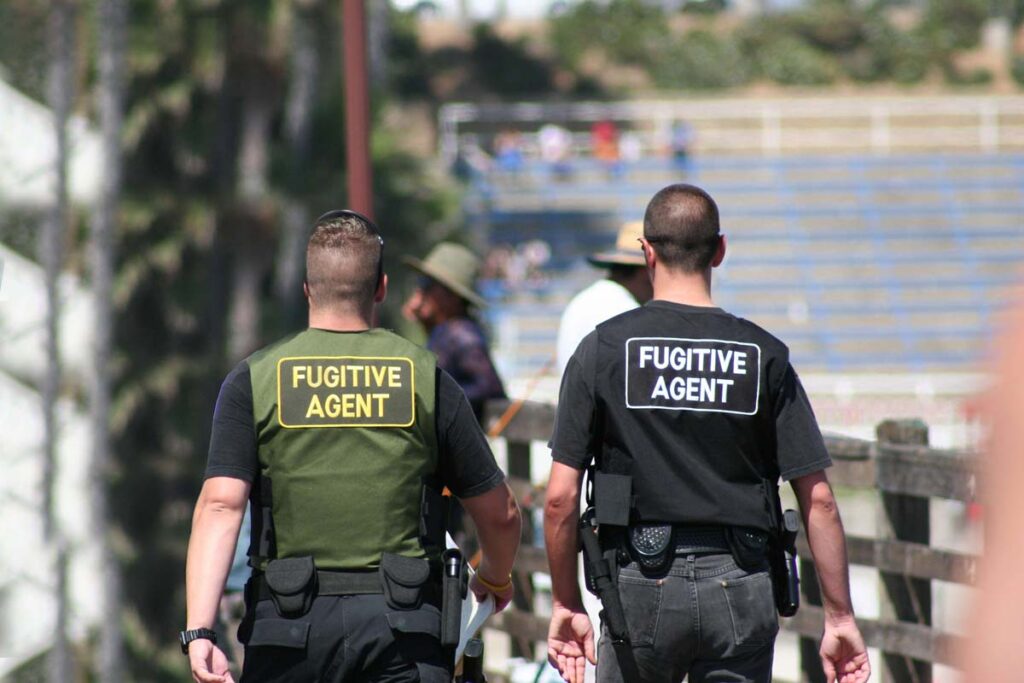
Certain states allow these agencies to retrieve money paid out for bail with bounty hunters. These bounty hunters are usually contracted through a bail agency. In addition, the bond agent can sue people who skip court dates. If you secure a bail bond and skip the agreed-upon court dates, the court may issue a warrant, and bonds may be deferred.
All in all, bail provides those in need with the funds to leave jail. The actual cost is based on the alleged crime, the judge, and other factors such as flight risk. After an inmate is booked, the bail amount is posted, which is also the time to seek out a bond agent.
How Do I Get a BailBond?
Now that you understand how bail bonds work, you might be wonderinghow can you get a bail bond for yourself or a family member or friend.The first step is to call a bond agency like Bail Hotline as soon as an inmate’s bail cost is set. Most bail bonds last for an entire year, which is more than enough time in most cases.
How much is a bail bond? It’s simple: the cost of a bail bond is determined by the full bail amount set by the court. For the amount of bail you are charged, a bail bond will typically cost 10-15% of that amount. For instance, a $5,000 bond will cost the co-signer (such as a friend or family member) $500 as long as the defendant appears in court.
Ultimately, it is rather easy to get a bail bond, but make sure you are signing an agreement with a trustworthy company with good reviews. If you have any questions about bail bond requirements, specifics involving California bail, or anything else related to the bail process, refer to an expert bail bond agency like Bail Hotline.
Bail Bond FAQs
Can you pay bail in payments?
Not usually. Courts typically require bail to be paid in cash upfront, not in installments or payments. This is one of the reasons working with a bail bond agency can be more accessible for those with specific financial needs.
What happens if a person skips court with a bail bond?
If someone skips court after we’ve posted a bail bond, we have to take action. Since we guaranteed that the defendant would appear, the court is permitted to issue a bench warrant for their arrest and begin the process of holding us responsible for the full bail amount.
We have a limited period of time (often called a “grace period”) to find the defendant and return them to custody. We may work with recovery agents or investigators during this process. If the defendant is returned to court within the grace period, the bond may be reinstated. If not, we are required to pay the full bail amount, which is when we pursue reimbursement from either the defendant or their co-signer.
How do bail bonds work for us?
Clients sometimes ask how the bail bond process works for us, as the agency granting the bonds. It’s a relatively straightforward process. First, a client or their family member contacts us because they cannot afford to pay the full bail amount that the court has set. From there, we collect a non-refundable premium of 10-15% of that amount and post a surety bond on the defendant’s behalf. In doing this, we guarantee that the defendant will appear in court for all required dates.
Before issuing a bond, we investigate a number of risk factors, such as the background of the defendant, their history in the community, and their likelihood of making their court appearances. After this, we might collect collateral, such as property or vehicles, to provide a way of recovering losses if the defendant does not appear in court. After we post the bond, the defendant is then released from custody.
What is the difference between cash bond vs bail?
Bail and cash bonds are related concepts, but they aren’t the same thing.
- “Bail” refers to the amount of money a judge sets to allow someone to be released from jail while they wait for their court date. It’s essentially a financial guarantee that the person will return to court as required. That amount can be paid in different ways, depending on the situation.
- A cash bond is one of the ways bail can be paid. It means paying the full bail amount directly to the court in cash. For example, if a judge sets bail at $10,000, paying that entire $10,000 yourself would be considered posting a cash bond. If the person shows up to all required court appearances, the money is typically returned at the end of the case, though some fees may be deducted. If they fail to appear, the court keeps the money.
If paying cash bail is not feasible, working with a bail bond agency is an option worth considering to ensure you or a loved one is released from prison quickly. Contact our bail bond experts today to discuss your specific situation.
How do I get out of a bail bond contract?
If you’re wondering how to get off a bail bond contract, the answer is that it’s not always a simple process. This is because once we post the bond, we are financially responsible for paying it to the court.
In most cases, the contract is closed or ends when the case is finished, and the bond is exonerated by the court. If terms are violated or the defendant is a flight risk, we can also surrender the bond (meaning revoke it and return the defendant to custody).
How much do you pay for a $1000 bond?
For a $1000 bond, you typically pay 10-15% up front, coming out to about $100-$150.
Bail Questions? Get Help Today
As the second-largest bail bonds company in the state of California, Bail Hotline has been helping people get out of jail for more than a decade everywhere from Santa Ana to Oakland. When you sign up with us, you can count on professional service delivered by experienced staff. Serving varied locations in the state, we aim to make bail affordable for all.
Are you ready to get a loved one out of jail? Call the best bail agents in California today.
Comments are closed.