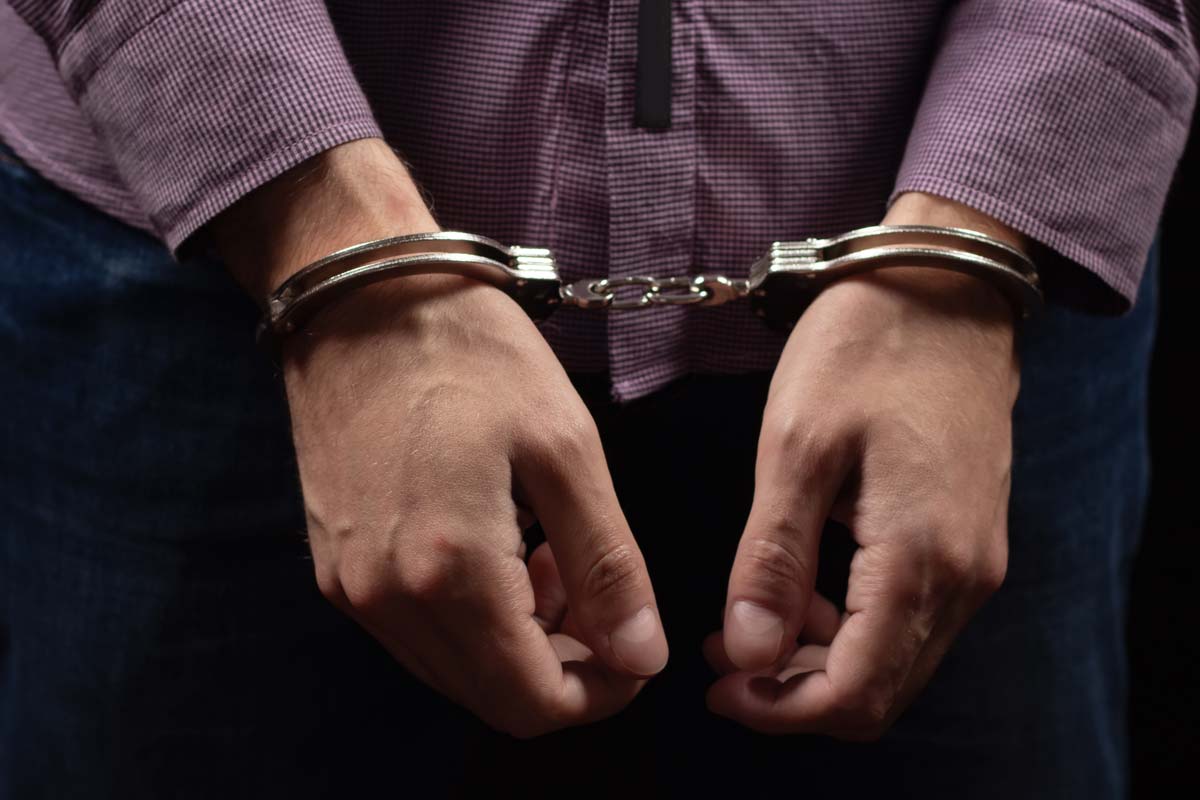
Updated September 2026. Written for families in California trying to find out what bail will be after a domestic violence arrest, with a section for every one of the state’s 58 counties. Bail amounts are taken from each county’s own posted bail schedule, and the law is checked against the Penal Code, the Family Code, the California Constitution, and the California Supreme Court’s April 2026 decision in In re Kowalczyk. If the case is in Texas, Idaho, or federal court, jump to the out-of-state section.
If you are the person who was harmed and you are not safe, call 911. The National Domestic Violence Hotline answers 24/7 at 1.800.799.SAFE (7233), or text START to 88788. There is more help for survivors near the end of this guide.
Quick answer: There is no single bail amount for domestic violence in California. Each county’s superior court publishes its own bail schedule, and the amount depends on the county and the exact charge. Among the counties whose 2025 or 2026 schedules we could read, misdemeanor domestic battery (Penal Code 243(e)(1)) was set at $5,000 to $50,000, most often $10,000. Felony corporal injury on a spouse or partner (PC 273.5), the most common felony domestic violence charge, was set at $20,000 to $75,000, most often $50,000. Stalking and repeat offenses go much higher, up to $150,000 or more. Domestic violence bail also works differently from bail for most other crimes. Under PC 1270.1, nobody arrested for domestic battery, corporal injury, stalking, felony criminal threats, or a threatening or violent restraining order violation can be released on their own recognizance, or on bail lower than the schedule, until a judge holds a hearing in open court. Release usually comes with a criminal protective order, which often means the person cannot go home. And since April 2026, when a judge does set bail, it generally has to be an amount the person can reasonably pay, unless the charge is a violent or threatening felony that lets the judge deny bail outright.
Domestic Violence Bail at a Glance
Short on time? This table is the whole article in miniature. The amounts are the typical ranges we found in current county schedules; the county table further down gives the exact number for each county.
| Charge | What it covers | Typical scheduled bail (2025 to 2026 schedules) | Release rule | Maximum sentence |
|---|
| Domestic battery, PC 243(e)(1) (misdemeanor) | Any unwanted force on a spouse, ex, live-in partner, date, fiancé(e), or co-parent, even with no injury | $5,000 to $50,000; most often $10,000 | No own-recognizance release or change from the schedule without an open-court hearing (PC 1270.1) | Up to 1 year in county jail and a $2,000 fine |
| Corporal injury on a spouse or partner, PC 273.5 (felony or misdemeanor) | Hurting a partner or co-parent badly enough to leave a “traumatic condition,” such as a bruise or injury from strangulation | Felony $20,000 to $75,000, most often $50,000; misdemeanor $5,000 to $50,000, most often $10,000; many counties double it with a prior | Open-court hearing required before own-recognizance release or a change from the schedule | Felony: 2, 3, or 4 years and a $6,000 fine (2, 4, or 5 years and $10,000 with some priors) |
| Violating a protective order, PC 273.6 | Knowingly breaking a domestic violence restraining order | Varies widely; $2,500 to $30,000 as a misdemeanor, higher with injury or a prior | Hearing required if the person threatened, used violence, or went to the protected person’s home or work | Usually up to 1 year and $1,000; more with injury or repeat violations |
| Stalking, PC 646.9 | Repeatedly following or harassing someone and making a credible threat | Most often $50,000 or $150,000 as a felony | Hearing required; release conditions are mandatory unless the judge finds good cause (PC 646.93) | 2, 3, or 4 years in prison if a restraining order was in effect |
| Criminal threats, PC 422 (felony or misdemeanor) | A serious, specific threat to kill or badly hurt someone that puts them in lasting fear | Most often $50,000 as a felony; $15,000 to $150,000 across counties | Hearing required when charged as a felony | Up to 1 year in jail as a misdemeanor, or state prison as a felony |
| Violating a criminal protective order, PC 166(c)(1) | Breaking a no-contact or stay-away order issued in a criminal case | Set by each county; often listed separately as contempt of court | Police must arrest when they have probable cause that a protective order was violated (PC 836(c)(1)) | Usually up to 1 year and $1,000 |
In this guide: Why there is no single number | What happens after an arrest | Why DV bail is different | Bail by charge | Protective orders | What the research says | In their words | After the case | Outside California | All 58 counties | First 48 hours | How Bail Hotline can help | FAQ
Why There Is No Single Bail Amount for Domestic Violence
Most pages that answer “how much is bail for domestic violence” give one number, usually $5,000 to $10,000 for a misdemeanor or $50,000 for a felony. In California, that is a guess. The state has no statewide bail amount. Each county’s superior court judges adopt their own bail schedule every year (PC 1269b), and the numbers vary a lot from county to county.
Here is how wide the spread is in 2025 and 2026 schedules we read for this guide:
- Domestic battery (PC 243(e)(1)): $5,000 in counties such as Riverside, Sacramento, Kern, and Imperial. $10,000 in Orange, San Diego, Santa Clara, and Fresno. $20,000 in Los Angeles. $25,000 in San Bernardino and Tulare. $50,000 in Trinity. Of 34 counties with a readable current amount, 13 set $10,000 and 9 set $5,000.
- Felony corporal injury (PC 273.5): $20,000 in Monterey. $25,000 in Santa Clara and Fresno. $30,000 in Riverside and San Joaquin. $50,000 in Los Angeles, San Bernardino, Orange, and Sacramento. $75,000 in Stanislaus and Trinity. Of 35 counties with a readable current amount, 19 set $50,000.
- Stalking (PC 646.9): from $15,000 in Lake County to $150,000 in Los Angeles, San Bernardino, and several smaller counties, and higher with a prior: up to $300,000 in Stanislaus and San Bernardino. Misdemeanor stalking can be as low as $5,000.
Three other things change the number in a real case:
- Which charge the police book. Many domestic violence charges are “wobblers,” meaning they can be filed as a felony or a misdemeanor. Some counties apply the felony amount at booking; Yuba County’s schedule says the felony schedule “will be applied to all wobbler offenses” at that stage.
- Prior convictions. Most schedules list a higher amount, often double, when the person has a prior domestic violence conviction.
- The judge. A schedule is a starting point. A judge can raise or lower it, or release the person without bail, after the hearing described below, and in a felony case or a misdemeanor restraining order violation, a police officer can ask a judge to raise it right away (PC 1269c).
A schedule amount is the full bail. If the family uses a bail bond, it pays a premium to a licensed bail agent instead of the full amount. Our guide to bail amounts by crime in California explains how schedules work for other charges, and cash bond vs. surety bond explains the two ways to post.
What Happens After a Domestic Violence Arrest, Step by Step
- The arrest. California does not require police to arrest in every domestic violence call, despite what many websites say. An officer “may” arrest for a domestic assault or battery they did not see, as long as they have probable cause (PC 836(d)). Police department policies must “encourage the arrest of domestic violence offenders if there is probable cause,” and must require an arrest, absent exigent circumstances, when there is probable cause that a protective order was violated (PC 13701(b)). The same law tells officers to identify the “dominant aggressor” and to discourage, but not prohibit, arresting both people. In practice, many departments arrest in most domestic violence calls.
- Guns are taken. At a domestic violence incident involving a threat to life or a physical assault, officers “shall take temporary custody” of any firearm in plain sight or found in a lawful search (PC 18250). Since 2025, officers must also check the state’s firearm records and ask about any guns the arrested person owns (PC 273.76).
- An emergency protective order. A judge is on call day and night to issue an emergency protective order by phone at an officer’s request. It can order the arrested person to stay away from the victim and move out of the home, and it lasts until the fifth court day or the seventh calendar day after it is issued, whichever comes first (Family Code 6256). That gives the victim time to ask a court for a longer restraining order.
- Booking, not a ticket. For most misdemeanors, police can write a citation and let the person go. For domestic violence arrests made under these policies, and for misdemeanor protective order violations, the person “shall be taken before a magistrate” instead, unless the officer finds no reasonable likelihood the offense will continue or resume (PC 853.6(a)(2)). So expect booking at the county jail.
- Scheduled bail, or a wait for a judge. In most counties, the person can still be released before seeing a judge by posting the full scheduled amount, in cash or through a bail bond. What PC 1270.1 blocks is anything else: release on own recognizance, or an amount lower than the schedule, until a judge holds a hearing in open court. Many counties now release people arrested for minor offenses before arraignment with no bail at all, but they leave domestic violence out of those rules. Los Angeles and Mendocino, for example, set most other misdemeanors at $0 before arraignment but keep scheduled bail for the domestic violence offenses listed in PC 1270.1, and Kern makes domestic battery, corporal injury, and protective order charges “ineligible for BR,” its $0 book and release. Stanislaus lists domestic battery and corporal injury, and Alameda lists corporal injury and protective order violations, as “ineligible for pre-court appearance release,” and Santa Barbara excludes intimate partner violence arrests from pre-arraignment release. The county sections below say which rule applies where. You can check whether someone is in jail using the jail’s inmate locator.
- Arraignment within 48 hours. A person who stays in custody must be taken before a judge “within 48 hours after his or her arrest, excluding Sundays and holidays” (PC 825). Our guide on how long it takes to see a judge explains how weekends and holidays stretch that clock.
- The history check. Before bail is set at arraignment, the prosecutor must run “a thorough investigation of the defendant’s history,” including prior domestic violence convictions, “other forms of violence or weapons offenses and any current protective or restraining order,” and give it to the judge (PC 273.75).
- A criminal protective order. In any case involving domestic violence, the court “shall consider issuing” a criminal protective order on its own (PC 136.2(e)(1)). In practice, a person released in a domestic violence case very often leaves court with one, on the state’s form CR-160. More on what it means below.
There is no “48-hour hold” or “cooling-off period” for domestic violence in California law. That idea comes from other states (North Carolina, for example, has a 48-hour rule for domestic violence release conditions). What does slow release in California is real, though: a judge’s hearing under PC 1270.1 for anyone who wants release on their own recognizance or a lower amount, an officer’s request to raise bail, a county rule that holds certain arrests for a first court appearance, or an arrest on a Friday night.
Why Domestic Violence Bail Works Differently
The hearing rule. For most crimes, a judge can lower bail or release someone on their own recognizance at a first appearance without special steps. Domestic violence is one of the exceptions. PC 1270.1 says that before a person arrested for domestic battery, corporal injury, stalking, felony criminal threats, or a restraining order violation involving threats, violence, or going to the protected person’s home or workplace “may be released on bail in an amount that is either more or less than the amount contained in the schedule of bail for the offense, or may be released on the person’s own recognizance, a hearing shall be held in open court.” The prosecutor gets two court days’ notice. At the hearing, the court must consider the person’s past court appearances, the maximum possible sentence, and “the danger that may be posed to other persons if the detained person is released.” In deciding on own-recognizance release, “the court shall consider the potential danger to other persons, including threats that have been made by the detained person and any past acts of violence.” If the judge departs from the schedule, the judge must explain why on the record and address any threats against the victim.
Victim safety comes first. California law makes public safety “the primary consideration” in setting bail (PC 1275), and the judge must weigh “the alleged injury to the victim, and alleged threats to the victim or a witness.” The state Constitution goes further for victims: “Public safety and the safety of the victim shall be the primary considerations” (Cal. Const., art. I, sec. 28(f)(3)), and victims have the right to have their and their family’s safety “considered in fixing the amount of bail and release conditions.”
When bail can be denied. Under the state Constitution, a judge can hold someone with no bail at all only in narrow cases, including “Felony offenses involving acts of violence on another person” and felonies where the person “has threatened another with great bodily harm,” and only on strict findings, including clear and convincing evidence of a “substantial likelihood” of great bodily harm to others or that the person would carry out a threat (Cal. Const., art. I, sec. 12). A felony corporal injury or felony threats case can qualify. A misdemeanor, including misdemeanor domestic battery or a misdemeanor protective order violation, cannot, because those sections cover only felonies.
The 2026 decision. On April 30, 2026, the California Supreme Court held in In re Kowalczyk that outside those constitutional exceptions, “bail must generally be set in an amount that is reasonably attainable,” and that courts “cannot use artificially high or objectively unattainable bail as an end run” to keep someone in jail. Kowalczyk was a vandalism and identity theft case, not a domestic violence case, but its rule is general. The court also said that where there is a risk to victim safety, judges should consider whether nonfinancial conditions “may reasonably protect the public and the victim.” Justice Joshua Groban’s concurring opinion spoke to domestic violence directly. Responding to the prosecution’s example of a “domestic abuser who torments a victim through unrelenting attempts at contact” who stops short of threats, he wrote: “Courts may use stayaway orders and electronic monitoring to address the dangers posed by such conduct.” He also wrote that when defendants are accused of felonies involving domestic abuse, “detention may be authorized under section 12 if the charges involve violence or threatened violence.”
What that means for a family. For most domestic violence arrests, the question is not whether there will be bail. It is how much, and on what conditions. A judge who departs from the schedule must hold a hearing and must weigh the victim’s safety. If the judge sets bail, it should be an amount the person can reasonably afford, backed by conditions like a stay-away order, GPS monitoring, or alcohol monitoring. If the charge is a violent or threatening felony and the prosecutor proves the constitutional grounds, the judge can deny bail entirely.
Bail by Charge
Domestic battery, PC 243(e)(1). This is the most common domestic violence charge. It covers any willful, unwanted use of force on a spouse or former spouse, a live-in partner, a fiancé or fiancée, someone the person dates or dated, or the parent of the person’s child. No injury is required. It is always a misdemeanor, with up to one year in county jail and a fine up to $2,000. Scheduled bail in current county schedules runs from $5,000 to $50,000, most often $10,000. Even though it is a misdemeanor, it is on the PC 1270.1 list, so there is no own-recognizance release or reduced bail without a hearing. Family members who are not partners, such as parents, siblings, or adult children, are not covered by 243(e)(1); a battery on them is usually charged as ordinary battery, though it still counts as domestic violence for restraining orders.
Corporal injury on a spouse or partner, PC 273.5. This charge applies when the force leaves a “traumatic condition,” which the law defines as a wound or external or internal injury, including injury from strangulation or suffocation. A visible bruise can be enough. It is a wobbler: the sentence is two, three, or four years in state prison as a felony, or up to one year in county jail, with a fine up to $6,000. With certain prior convictions within seven years, the range rises to two, four, or five years and a fine up to $10,000. Current county schedules set $20,000 to $75,000 for the felony, most often $50,000, and many list $100,000 or more with a prior. Misdemeanor amounts run from $5,000 to $50,000, most often $10,000.
Violating a protective order, PC 273.6. Knowingly breaking a domestic violence restraining order is usually a misdemeanor with up to a year in jail and a $1,000 fine. If it causes injury, the penalty rises to a fine of up to $2,000, 30 days to one year in jail, or both, and repeat violent violations can be charged as a felony. Counties list this charge very differently: some list only the misdemeanor, some only the felony with a prior, and some list separate amounts for violations with injury or threats. Violations of a criminal court’s protective order are usually charged as contempt of court under PC 166(c)(1). Either way, police must arrest when they have probable cause that a protective order was violated.
Stalking, PC 646.9. Stalking means repeatedly following or harassing someone and making a credible threat meant to put them in fear. It is a wobbler, and stalking while a restraining order is in effect carries two, three, or four years in state prison. Scheduled bail is among the highest for any domestic violence charge: $150,000 in Los Angeles, San Bernardino, Butte, Madera, Santa Barbara, Tehama, and Yuba counties, among others. Stalking also comes with mandatory release conditions, covered below.
Criminal threats, PC 422. A threat to kill or seriously hurt someone counts if it is so “unequivocal, unconditional, immediate, and specific” that it conveys “an immediate prospect of execution” and causes sustained fear. It can be a misdemeanor or a felony. Felony amounts run from $15,000 in Lake County to $150,000 in Glenn and Yuba counties, with $50,000 the most common.
Other charges that come with domestic violence cases. Arrests often include additional charges, such as dissuading a witness (PC 136.1), which is on the PC 1270.1 hearing list when charged as the aggravated felony under PC 136.1(c), for example when force or a threat of violence is used, child endangerment, false imprisonment, or vandalism of a phone. Each county’s schedule has its own rule for combining bail on several charges, so the total can be higher than any single line in the table.
Release Conditions and Protective Orders
Getting out on bail in a domestic violence case is only half of it. The conditions that come with release are where most people get into new trouble.
The criminal protective order. The standard California form, CR-160, can order the defendant not to contact the protected person “directly or indirectly, by any means,” to stay a set number of yards away from them and their home, job, and vehicle, and to give up any guns. Indirect contact includes messages passed through friends or family, social media, and texts. Once charges are filed, the criminal court’s order generally “has precedence in enforcement” over a civil court order against the defendant, though a no-contact order or a more restrictive emergency protective order is enforced first (PC 136.2).
You may not be able to go home. If the order says to stay away from the protected person’s home, that includes a home the defendant owns or rents. California courts can exclude a person from a home “regardless of which party holds legal or equitable title or is the lessee of the dwelling” (Family Code 6321). Families should plan for where the person will stay before release, and ask the defense lawyer how to get clothes, medication, or work tools, since going back without permission can be a new violation.
An invitation is not permission. A protective order binds the defendant, not the protected person. If the protected person calls, texts, or invites the defendant over, contact is still a violation. Only the court can change or end the order. If the family wants to stay together, the defense lawyer can ask the judge to change the order to “peaceful contact,” which the CR-160 form allows, so the parties can have contact as long as there is no abuse.
Guns must go within 24 hours. A person subject to a protective order “shall not own, possess, purchase, or receive a firearm or ammunition while that protective order is in effect” (Family Code 6389). Any guns must be surrendered within 24 hours of being served, and the receipt filed with the court within 48 hours. Buying or receiving a gun while an order is in effect is its own crime (PC 29825).
Stalking cases have mandatory conditions. When someone is released on a stalking charge, the judge “shall impose” conditions such as no contact with the victim and staying at least 100 yards away, unless there is good cause not to. A sworn statement that the person broke any of those conditions “shall, unless good cause is shown, result in the issuance of a no-bail warrant” (PC 646.93(c)). Victims in stalking cases may attend the bail hearing and “shall be permitted to address the court on the issue of bail.”
Other common conditions. Depending on the county and the case, a judge may add GPS monitoring, alcohol monitoring (often a SCRAM ankle bracelet), check-ins with pretrial services, a batterer’s program, or a search condition. Some of these cost money, and a defense lawyer can ask the judge to consider ability to pay.
What happens after a violation. Police must arrest when they have probable cause that a protective order was violated. The violation is a new charge, it can lead the judge to raise bail or revoke release in the original case, and it can put the bail bond at risk. Our guide to what happens if your bond is revoked explains that process in detail.
What the Research Says
How common domestic violence calls and arrests are. California law enforcement agencies received 157,416 domestic violence related calls for assistance in 2025, down from 163,024 in 2024, according to the California Department of Justice (July 1, 2026). The DOJ counted 1,706 of the 2024 calls as involving a firearm (Crime in California 2024). A California Policy Lab report published July 13, 2026 found “approximately 1.3 million arrests for domestic violence in California between 2015 and 2024,” with misdemeanors making up 56% of those arrests. The same report counted about 23,000 domestic violence convictions a year from 2015 to 2019. Arrests and convictions in any year are different groups of people, so those two numbers cannot be turned into a conviction rate, but the gap suggests that many domestic violence arrests do not end in a domestic violence conviction.
What judges are told to watch for. Much of the research on which warning signs predict intimate partner homicide comes from studies led by Jacquelyn Campbell. In an 11-city study published in the American Journal of Public Health in 2003, abused women whose partner had access to a gun had about five times the odds of being killed as other abused women, even after the researchers accounted for his threats, stalking, and past abuse (adjusted odds ratio 5.38; 7.59 in an earlier, simpler model). A National Institute of Justice summary of the same research put it plainly: “When a gun was in the house, an abused woman was 6 times more likely than other abused women to be killed.” Strangulation is another warning sign. In a 2008 study, abused women who had been strangled before had more than seven times the odds of being killed as other abused women (odds ratio 7.48). In California, 6% of domestic violence calls in 2024 reported strangulation or suffocation, according to the California Policy Lab. That is why strangulation and gun access can weigh heavily when a judge considers danger at a PC 1270.1 hearing.
The same NIJ summary, discussing scores on Campbell’s Danger Assessment questionnaire, also warned against treating a risk score as a prediction: “criminal justice practitioners making decisions about an alleged batterer’s bail or sentencing should keep in mind that more than a third of women who had a score of 4 or higher were not murdered.”
The pretrial period is when risk is highest. An NIJ report on domestic violence research (June 2009), drawing on studies in Massachusetts and Brooklyn, found that “the majority of defendants rearrested for new abuse were arrested while their initial abuse cases were still pending in court.” A 2026 study of a large Texas county found that “DV cases have higher rates of pretrial release, dismissal, and re-arrest” than other violent cases, with 90.6% of domestic violence defendants released on a cash bond.
Protective orders are broken often, and still help. In a Kentucky study of civil protective orders funded by NIJ (September 2009), “half (50%) of the study participants indicated that the protective order had been violated” within six months. But the authors also found: “Even for those who experienced protective order violations, the abuse was significantly reduced over time.”
What California does not publish. No statewide source reports how many people arrested for domestic violence in California are released, how much bail they post, or how many are rearrested while their case is pending. The Judicial Council’s pretrial reports do not break out domestic violence. Research from other states is the best available evidence, and it should be read that way.
In Their Words
Domestic violence bail looks different from every seat in the courtroom.
The advocate. After three severe domestic violence incidents in San Jose within 10 days, which left two women dead and a third surviving an attempted murder, Adriana Caldera Boroffice, CEO of YWCA San Jose, told KTVU in June 2026 that the danger peaks at separation: “It’s oftentimes when the abusive partner realizes they are losing control of their partner.” She added: “Oftentimes, the risk for serious injury or even homicide can greatly increase during those times.” In one of those cases, prosecutors say the accused man was already out on supervised release with a GPS monitor and a no-contact order (KTVU, June 17, 2026).
The prosecutor. Santa Clara County Deputy District Attorney Rebekah Wise told KTVU: “What it tells us is that domestic violence is one of the most lethal forms of violence we face as a community.” In Yolo County, Deputy District Attorney Carolyn Palumbo argued against release at a May 2026 hearing in a corporal injury case, saying of the no-contact order: “that’s a piece of paper. That doesn’t prevent him from having contact with her.” The judge denied own-recognizance release and set bail at $30,000 (Davis Vanguard, May 26, 2026).
The defense. In the same Yolo hearing, Deputy Public Defender Sarah MacDonald objected to a paid alcohol monitor as a condition: “imposing a SCRAM device where you would have to self-pay. That’s imposing a financial condition.” She asked the court to let her client prove himself: “We have to give him a chance to do it” (Davis Vanguard).
The defendant. A man Human Rights Watch calls Frank Robinson (the report uses pseudonyms) was arrested in Alameda County on a domestic violence warrant in December 2015, with bail set at $130,000. His mother cosigned. The prosecutor never filed charges, and he told Human Rights Watch: “And now that I am out of jail, I have to pay $200 a month to the bail bond agent. I don’t understand why I have to pay something when the charge was dropped. My family is stunned that this happened to me” (Human Rights Watch, April 11, 2017). A bail premium is the fee for the bond and is generally earned once the person is released, even if charges are later dropped. Every cosigner should understand that before signing.
The victim who is asked to cosign. Rio Scharf, who runs the Bail Clinic at the Lawyers’ Committee for Civil Rights in San Francisco, told KQED that some clients “were in violent relationships, and when their partner was arrested, either for violence against them or for some other act, they [felt] coerced into co-signing on behalf of that partner” (KQED, March 25, 2022). No one should cosign a bond under pressure from the person who harmed them.
The court. Justice Joshua Groban, concurring in In re Kowalczyk in April 2026: “Courts may use stayaway orders and electronic monitoring to address the dangers posed by such conduct” (In re Kowalczyk).
If the Case Ends in a Conviction
Bail is about the time before trial, but families often ask what is at stake. The main consequences of a domestic violence conviction in California:
- Probation terms are set by law. If a judge grants probation in a case where the victim is a partner, ex, co-parent, or close relative, the terms must include “A minimum period of probation of 36 months,” a criminal protective order, a fee of at least $500, and a batterer’s intervention program “for a period not less than one year,” with weekly two-hour sessions (PC 1203.097). This is the program people call the “52-week class.”
- Misdemeanor diversion is not available. California’s judge-granted misdemeanor diversion excludes “Any offense involving domestic violence” and stalking (PC 1001.95). Mental health diversion under PC 1001.36 does not list domestic violence among its exclusions, so a defense lawyer may be able to request it if the other requirements are met.
- Guns, possibly for life. A misdemeanor corporal injury conviction on or after January 1, 2019 bars owning a gun in California with no time limit, and several other domestic violence misdemeanors carry a 10-year ban (PC 29805). Federal law bans guns for anyone “convicted in any court of a misdemeanor crime of domestic violence” (18 U.S.C. 922(g)(9)).
- A longer protective order. After a corporal injury conviction, the judge can issue a no-contact order that “may be valid for up to 15 years” (PC 273.5(j)).
- Immigration. A noncitizen convicted of “a crime of domestic violence, a crime of stalking,” or found to have violated certain parts of a protective order can be deported (8 U.S.C. 1227(a)(2)(E)). Noncitizens should talk to an immigration lawyer before any plea.
Outside California: Texas, Idaho, and Federal Law
Many people searching for domestic violence bond amounts are outside California. The rules differ in important ways.
Texas. Texas has no single statewide bail amount for domestic violence either. Texas calls domestic violence “family violence,” and a magistrate can deny release to a person who violates a bond condition related to the victim’s safety, after a hearing held “not later than 48 hours after the person is arrested” (Tex. Code Crim. Proc. art. 17.152). Texas bail law changed substantially in 2025, including a voter-approved constitutional amendment on denying bail for certain violent felonies, so check current rules with a Texas lawyer.
Idaho. In Idaho, domestic battery that causes a traumatic injury is a felony punishable by up to 10 years in prison and a $10,000 fine, while a first misdemeanor domestic assault or battery carries up to a year in jail and a $1,000 fine (Idaho Code 18-918). When someone is charged, the court may issue a no contact order, and police can arrest without a warrant for violating it (Idaho Code 18-920). Bail Hotline has offices in Boise and Twin Falls.
Federal law. Almost all domestic violence cases are state cases. Federal law matters most through gun bans: a misdemeanor domestic violence conviction, or a qualifying restraining order issued after a hearing, bars possessing or receiving a firearm (for a restraining order, while it is in effect) (18 U.S.C. 922(g)). For posting bail across state lines, see our guide to bailing someone out of jail in another state.
County-by-County Domestic Violence Bail in California
Every amount below comes from the county superior court’s own posted bail schedule, read for this guide in September 2026. We report only amounts we could read directly from the document. Where a schedule is a scanned image, is not posted online, or leaves a charge out, we say so rather than guess. Where a schedule is older than 2025, we mark it outdated, because the court may be using a newer one that is not online.
How to read the table: the first number is the felony amount and “misd.” is the misdemeanor amount. Domestic battery is always a misdemeanor. “With prior” means the schedule lists that amount only for a person with a prior conviction. These are scheduled amounts, the starting point before any judge’s decision, and they change every year, so always confirm the current amount with the jail or the court before posting bail.
| County | Domestic battery (243(e)(1)) | Corporal injury (273.5) felony (misd.) | Protective order (273.6) | Stalking (646.9) | Criminal threats (422) | Schedule |
|---|
| Alameda | $15,000 | $20,000 to $50,000 | Not listed | $100,000 | $50,000 (misd. $20,000) | 2024 (outdated) |
| Alpine | $7,500 | $50,000 (misd. $25,000) | $50,000 with prior (misd. $25,000) | $50,000 | $50,000 (misd. $25,000) | El Dorado 2023 (outdated) |
| Amador | Scanned PDF | Scanned PDF | Scanned PDF | Scanned PDF | Scanned PDF | 2022 (outdated) |
| Butte | $7,500 | $50,000 (misd. $7,500) | $15,000 (misd. $7,500) | $150,000 | $50,000 (misd. $7,500) | 2026 |
| Calaveras | $10,000 | $50,000 | $50,000 (misd. $15,000) | $150,000 | $50,000 | 2016 (outdated) |
| Colusa | Not listed | Not listed | Not listed | Not listed | Not listed | 2026 (traffic only) |
| Contra Costa | Not retrieved | Not retrieved | Not retrieved | Not retrieved | Not retrieved | 2026 |
| Del Norte | $25,000 | $50,000 (misd. $25,000) | Misd. $25,000 | Not listed | Not listed | 2026 |
| El Dorado | $7,500 | $50,000 (misd. $25,000) | $50,000 with prior (misd. $25,000) | $50,000 | $50,000 (misd. $25,000) | 2025 |
| Fresno | $10,000 | $25,000 (misd. $10,000) | $20,000 (misd. $20,000) | $50,000 (misd. $10,000) | $20,000 (misd. $10,000) | 2026 (no date) |
| Glenn | Not listed | $50,000 | Not listed | $150,000 (646.9(b) only) | $150,000 | 2026 (felony only) |
| Humboldt | $25,000 | $50,000 (misd. $25,000) | Misd. $25,000 | Not listed | Not listed | 2026 |
| Imperial | $5,000 | $50,000 (misd. $5,000) | $10,000 (misd. $5,000) | $50,000 (misd. $5,000) | $20,000 | 2026 |
| Inyo | Scanned PDF | Scanned PDF | Scanned PDF | Scanned PDF | Scanned PDF | 2017 (outdated) |
| Kern | $5,000 | $30,000 (misd. $15,000) | $50,000 with priors (misd. $10,000) | $100,000 (misd. $10,000) | $20,000 (misd. $7,500) | 2026 |
| Kings | $10,000 | $25,000 (misd. $15,000) | $50,000 with prior (misd. $15,000) | $100,000 (misd. $10,000) | $50,000 (misd. $20,000) | 2026 |
| Lake | $10,000 | $25,000 (misd. $10,000) | Misd. $10,000 | $15,000 | $15,000 | 2026 |
| Lassen | Not retrieved | Not retrieved | Not retrieved | Not retrieved | Not retrieved | 2026 |
| Los Angeles | $20,000 | $50,000 (misd. $30,000) | $50,000 (misd. $30,000) | $150,000 (misd. $50,000) | $50,000 | 2026 |
| Madera | $10,000 | $30,000 (misd. $20,000) | $25,000 (misd. $10,000) | $150,000 | $30,000 | 2026 |
| Marin | $7,500 | $25,000 (misd. $10,000) | Misd. $5,000 | $100,000 (misd. $5,000) | $50,000 (misd. $10,000) | 2026 |
| Mariposa | Scanned PDF | Scanned PDF | Scanned PDF | Scanned PDF | Scanned PDF | 2026 |
| Mendocino | $20,000 | $50,000 (misd. $30,000) | $50,000 (misd. $30,000) | $150,000 (misd. $50,000) | $50,000 (misd. $10,000) | 2026 |
| Merced | $10,000 | $50,000 (misd. $10,000) | Misd. $5,000 | $50,000 | $50,000 | 2026 |
| Modoc | No schedule online | No schedule online | No schedule online | No schedule online | No schedule online | None posted |
| Mono | Unclear, confirm with court | Misd. $30,000 | Misd. $25,000 | Not listed (misd.) | Not listed (misd.) | 2026 (felony section unreadable) |
| Monterey | $5,000 | $20,000 (misd. $7,500) | $40,000 with prior (misd. $7,500) | Not visible | Not visible | 2025 |
| Napa | $10,000 | $25,000 (misd. $25,000) | $25,000 (misd. $10,000) | Not found | Unconfirmed | 2025 |
| Nevada | $5,000 | $25,000 | Misd. $7,500 | $50,000 (misd. $10,000) | Not listed | 2026 |
| Orange | $10,000 | $50,000 (misd. $10,000) | Misd. $15,000 | $20,000 | $50,000 | 2026 |
| Placer | Not retrieved | Not retrieved | Not retrieved | Not retrieved | Not retrieved | Jan. 2025 |
| Plumas | Scanned PDF | Scanned PDF | Scanned PDF | Scanned PDF | Scanned PDF | 2026 |
| Riverside | $5,000 | $30,000 (misd. $5,000) | $20,000 with prior (misd. $5,000) | $20,000 (misd. $5,000) | $20,000 (misd. $5,000) | Oct. 2025 |
| Sacramento | $5,000 | $50,000 (misd. $10,000) | $50,000 with prior (misd. $5,000) | $50,000 | $50,000 (misd. $25,000) | Nov. 2025 |
| San Benito | $10,000 | $25,000 (misd. $10,000) | $10,000 with prior (misd. $5,000) | $50,000 (misd. $7,500) | $25,000 (misd. $10,000) | 2025, date blank |
| San Bernardino | $25,000 | $50,000 (misd. $25,000) | $50,000 (misd. $25,000) | $150,000 (misd. $50,000) | $50,000 (general chart) | 2026 |
| San Diego | $10,000 | Felony not retrieved (misd. $15,000) | Felony not retrieved (misd. $15,000) | Not listed (felony not retrieved) | Felony not retrieved (misd. $15,000) | 2026 |
| San Francisco | Scanned PDF | Scanned PDF | Scanned PDF | Scanned PDF | Scanned PDF | 2026 to 2027 |
| San Joaquin | $10,000 | $30,000 (misd. $10,000) | $20,000 with prior (misd. $10,000) | $20,000 | $40,000 (misd. $10,000) | 2026 (tentative) |
| San Luis Obispo | $10,000 | $50,000 (misd. $15,000) | $25,000 with prior (misd. $10,000) | $50,000 | $50,000 (misd. $15,000) | 2026 |
| San Mateo | $10,000 | $25,000 (misd. $10,000) | Misd. $15,000 | $100,000 (misd. $15,000) | $25,000 (misd. $10,000) | 2023 (outdated) |
| Santa Barbara | $10,000 | $50,000 (misd. $10,000) | $50,000 (misd. $20,000) | $150,000 | $50,000 | 2026 |
| Santa Clara | $10,000 | $25,000 (misd. $10,000) | $10,000 with prior (misd. $10,000) | $50,000 (misd. $10,000) | $25,000 (misd. $10,000) | 2026 |
| Santa Cruz | $7,500 | $25,000 (misd. $10,000) | Misd. $5,000 | $25,000 (misd. $10,000) | $15,000 (misd. $5,000) | 2026 |
| Shasta | Scanned PDF | Scanned PDF | Scanned PDF | Scanned PDF | Scanned PDF | 2026 |
| Sierra | Unreadable | Unreadable | Unreadable | Unreadable | Unreadable | 2025 |
| Siskiyou | $5,000 | $50,000 (misd. $5,000) | Not listed | $50,000 | $25,000 | 2026 |
| Solano | Not listed | Not listed | Not listed | Not listed | Not listed | 2026 |
| Sonoma | Scanned PDF | Scanned PDF | Scanned PDF | Scanned PDF | Scanned PDF | 2025 |
| Stanislaus | Not retrieved | $75,000 | $50,000 with prior | $75,000 | $75,000 | 2026 |
| Sutter | $5,000 | $50,000 | $20,000 with prior (misd. $2,500) | $25,000 | $50,000 | 2026 |
| Tehama | $5,000 | $50,000 (misd. $5,000) | $15,000 (misd. $5,000) | $150,000 (column unclear) | $50,000 (misd. $5,000) | 2026 |
| Trinity | $50,000 | $75,000 (misd. $50,000) | $50,000 (misd. $25,000) | $100,000 | $50,000 (misd. $25,000) | 2026 |
| Tulare | $25,000 | $50,000 (misd. $25,000) | $20,000 (misd. $25,000) | $50,000 (misd. $25,000) | $75,000 (misd. $25,000) | Nov. 2025 |
| Tuolumne | No schedule online | No schedule online | No schedule online | No schedule online | No schedule online | None posted |
| Ventura | $10,000 | $20,000 | $20,000 with prior (misd. $10,000) | $100,000 | $20,000 | 2024 (outdated) |
| Yolo | No schedule online | No schedule online | No schedule online | No schedule online | No schedule online | None posted |
| Yuba | $25,000 | $50,000 | $50,000 with prior | $150,000 | $150,000 | 2026 |
Alameda County
Alameda County’s outdated 2024 schedule sets $15,000 for misdemeanor domestic battery and says people arrested for corporal injury on a partner or for violating a domestic violence protective order “are ineligible for pre-court appearance release.”
- Scheduled bail (2024 schedule, effective March 20, 2024, per the court’s listing; outdated): domestic battery (PC 243(e)(1)) $15,000 as a misdemeanor; corporal injury on a partner (PC 273.5) $20,000 to $50,000, without saying which applies to a misdemeanor or a felony; violating a protective order (PC 273.6) not listed as its own line in the schedule; stalking (PC 646.9) $100,000, or $150,000 with a restraining order in effect or a prior felony conviction; criminal threats (PC 422) $50,000 as a felony, $20,000 as a misdemeanor.
- Domestic violence rules: Corporal injury, stalking, and criminal threats are marked as PC 1270.1 offenses, needing an open-court hearing before own-recognizance release or any bail change.
- Schedule: 2024 Misdemeanor and Felony Bail Schedule.
- Custody: Santa Rita Jail, 5325 Broder Blvd, Dublin (facility page). Search the Sheriff’s inmate locator.
Alpine County
Alpine County’s court labels its posted schedule as effective January 1, 2025, but the file is El Dorado County’s 2023 schedule, so its $50,000 for felony corporal injury on a partner may not be what Alpine applies.
- Scheduled bail (El Dorado County’s 2023 schedule, revised August 1, 2023; outdated): domestic battery (PC 243(e)(1)) $7,500 as a misdemeanor; corporal injury on a partner (PC 273.5) $50,000 as a felony, $100,000 with certain prior convictions, $25,000 as a misdemeanor; violating a protective order (PC 273.6) $25,000 as a misdemeanor, $35,000 with injury, $50,000 as a felony with a prior; stalking (PC 646.9) $50,000, $100,000 with a restraining order violated, $150,000 with a prior; criminal threats (PC 422) $50,000 as a felony, $25,000 as a misdemeanor.
- Schedule: Felony and Misdemeanor Bail Schedule.
- Custody: The court points families to the El Dorado County Jail at 1051 Al Tahoe Blvd., South Lake Tahoe. For people held there, use the El Dorado Sheriff’s current inmates list.
Amador County
Amador County’s only posted criminal schedule is an outdated 2022 felony schedule saved as a scanned image, so no domestic violence amounts could be read from it.
Butte County
Butte County’s 2026 schedule sets $7,500 for each misdemeanor domestic violence charge and $50,000 for felony corporal injury on a partner, and it prints no release rules specific to domestic violence.
- Scheduled bail (2026 schedule, effective January 1, 2026): domestic battery (PC 243(e)(1)) $7,500 as a misdemeanor; corporal injury on a partner (PC 273.5) $50,000 as a felony, $7,500 as a misdemeanor; violating a protective order (PC 273.6) $15,000 as a felony, $7,500 as a misdemeanor; stalking (PC 646.9) $150,000 as a felony, with no misdemeanor amount listed; criminal threats (PC 422) $50,000 as a felony, $7,500 as a misdemeanor.
- Schedule: 2026 Jail Bail Schedule for Offenses Committed Within the County of Butte.
- Custody: Butte County Jail, 7 Gillick Way, Oroville. The Sheriff’s Corrections Division page has no inmate search of its own and points the public to VINE for custody status updates.
Calaveras County
Calaveras County still posts a 2016 schedule, which sets $50,000 for felony corporal injury on a partner and refers to the PC 1270.1 hearing rule.
- Scheduled bail (2016 schedule, effective November 1, 2016; outdated): domestic battery (PC 243(e)(1)) $10,000 as a misdemeanor; corporal injury on a partner (PC 273.5) $50,000 as a felony, $100,000 with a prior conviction; violating a protective order (PC 273.6) $50,000 as a felony, $15,000 as a misdemeanor; stalking (PC 646.9) $150,000; criminal threats (PC 422) $50,000, with no misdemeanor line found.
- Domestic violence rules: The schedule refers to PC 1270.1, which requires an open-court hearing before own-recognizance release or a bail change for charges including domestic battery, corporal injury, felony criminal threats, and stalking (confirm with the court).
- Schedule: 2016 Uniform Felony and Misdemeanor Bail Schedule.
- Custody: The Sheriff’s Detention Facility, 1045 Jeff Tuttle Drive, San Andreas, is “the central booking and intake location for all law enforcement agencies operating in Calaveras County.”
Colusa County
Colusa County posts only a traffic-type schedule, so no bail is listed for domestic violence charges.
Contra Costa County
Contra Costa County’s 2026 amounts are in unreadable spreadsheets, but its narrative says bail reductions are not available before arraignment for PC 1270.1 crimes, which include domestic battery, corporal injury, felony criminal threats, and stalking (confirm with the court).
- Scheduled bail (2026 schedules, effective July 8, 2026): amounts not retrieved.
- Domestic violence rules: PC 1270.1 offenses, such as domestic battery and stalking, also get no non-financial release before arraignment (confirm with the court).
- Schedule: 2026 Felony Bail Schedule, with felony and misdemeanor front sheets.
- Custody: Martinez Detention Facility, Martinez. Use the Sheriff’s in-custody locator.
Del Norte County
Del Norte County’s 2026 schedule sets $25,000 for misdemeanor domestic battery and requires an open-court hearing before own-recognizance release or any bail change for the core domestic violence charges.
- Scheduled bail (2026 schedule, effective January 1, 2026): domestic battery (PC 243(e)(1)) $25,000; corporal injury on a partner (PC 273.5) $50,000 as a felony, $25,000 as a misdemeanor; violating a protective order (PC 273.6) $25,000 as a misdemeanor; stalking (PC 646.9) and criminal threats (PC 422) are not listed by name; unlisted felonies are set by maximum prison term, from $25,000.
- Domestic violence rules: The hearing requirement covers felony corporal injury, felony criminal threats, any stalking, domestic battery, and protective order violations involving threats or violence (confirm with the court).
- Schedule: 2026 Bail and Penalty Schedule.
- Custody: The Sheriff’s Office, at 650 Fifth Street in Crescent City, runs the Del Norte County Jail (Sheriff’s page). The Sheriff publishes call and arrest logs.
El Dorado County
El Dorado County’s 2025 schedule sets $50,000 for felony corporal injury on a partner and says bail is stacked when someone faces multiple misdemeanor domestic violence charges.
- Scheduled bail (2025 schedule, revised January 21, 2025; no 2026 edition posted): domestic battery (PC 243(e)(1)) $7,500 as a misdemeanor; corporal injury on a partner (PC 273.5) $50,000 as a felony, $100,000 with certain priors, $25,000 as a misdemeanor; violating a protective order (PC 273.6) $25,000 as a misdemeanor, $35,000 with injury, $50,000 as a felony with a prior (confirm with the court); stalking (PC 646.9) $50,000, $100,000 with a restraining order violated, $150,000 with a prior; criminal threats (PC 422) $50,000 as a felony, $25,000 as a misdemeanor.
- Domestic violence rules: “If there are multiple misdemeanor charges re: DUI or Domestic Violence, bail shall be stacked.”
- Schedule: 2025 Felony/Misdemeanor Bail Schedule.
- Custody: The Sheriff’s Custody Division runs the Placerville jail and the South Lake Tahoe jail. The Sheriff links a current inmates list.
Fresno County
Fresno County’s 2026 web schedule sets $25,000 for felony corporal injury on a partner and $10,000 for misdemeanor domestic battery, and posts no release rules specific to domestic violence.
- Scheduled bail (2026 web schedule; no effective date shown): domestic battery (PC 243(e)(1)) $10,000 as a misdemeanor; corporal injury on a partner (PC 273.5) $25,000 as a felony, $50,000 with a prior conviction, $10,000 as a misdemeanor; violating a protective order (PC 273.6) $20,000 as either a felony or a misdemeanor; stalking (PC 646.9) $50,000 as a felony, $75,000 when a restraining order was violated, $100,000 with a prior domestic violence conviction, $10,000 as a misdemeanor; criminal threats (PC 422) $20,000 as a felony, $10,000 as a misdemeanor.
- Schedule: Criminal Bail Schedules 2026.
- Custody: The Sheriff’s jail page lists the Main Jail at 1225 M Street, plus the North Annex (1265 M Street) and West Annex (2208 Merced Street), all in Fresno. Start at the Sheriff’s inmate search page.
Glenn County
Glenn County’s 2026 schedule covers felonies only, sets $50,000 for corporal injury on a partner, and bars own-recognizance release for felony corporal injury, criminal threats, and stalking charges and for domestic battery.
- Scheduled bail (2026 felony schedule, effective January 1, 2026): domestic battery (PC 243(e)(1)) not listed as a bail line; corporal injury on a partner (PC 273.5) $50,000; violating a protective order (PC 273.6) not listed; stalking (PC 646.9) $150,000, listed only as PC 646.9(b); criminal threats (PC 422) $150,000, on a line the schedule labels “Terrorism.”
- Domestic violence rules: Citing PC 1270.1, the schedule says “no ORs shall be granted” to people charged with corporal injury, criminal threats, or stalking as felonies, or with domestic battery.
- Schedule: 2026 Glenn County Bail Schedule.
- Custody: The Glenn County Sheriff’s Office in Willows runs the county jail.
Humboldt County
Humboldt County’s 2026 schedule sets $25,000 for misdemeanor domestic battery and requires an open-court hearing before own-recognizance release or any bail change for stalking and felony criminal threats.
- Scheduled bail (2026 schedule, effective January 1, 2026): domestic battery (PC 243(e)(1)) $25,000; corporal injury on a partner (PC 273.5) $50,000 as a felony, $25,000 as a misdemeanor; violating a protective order (PC 273.6) $25,000 as a misdemeanor; stalking (PC 646.9) and criminal threats (PC 422) are not listed by name; unlisted felonies are set by maximum prison term, from $25,000.
- Domestic violence rules: The crimes that need “a hearing … in open court” first include stalking and felony criminal threats (confirm with the court). For misdemeanors in general, the schedule says a defendant “is entitled to release on his or her own recognizance unless release will compromise public safety or will not reasonably insure the defendant’s appearance.”
- Schedule: Humboldt County Bail Schedule 2026.
- Custody: The court’s criminal page says you can find out whether someone is in custody by contacting the Humboldt County Correctional Facility.
Imperial County
Imperial County’s 2026 schedule sets $5,000 for most misdemeanor domestic violence charges and bars bail changes or own-recognizance release for PC 1270.1 charges without a hearing.
- Scheduled bail (2026 edition; no specific effective date printed): domestic battery (PC 243(e)(1)) $5,000 as a misdemeanor; corporal injury on a partner (PC 273.5) $50,000 as a felony, $75,000 with a prior, $5,000 as a misdemeanor; violating a protective order (PC 273.6) $10,000 as a felony, $5,000 as a misdemeanor; stalking (PC 646.9) $50,000 as a felony, $5,000 as a misdemeanor; criminal threats (PC 422) $20,000 as a felony, with no misdemeanor line listed.
- Domestic violence rules: “Bail shall not be modified (nor shall a defendant be released on his or her own recognizance)” for a PC 1270.1 charge without the hearing that section requires.
- Schedule: 2026 Felony and Misdemeanor Bail Schedule.
- Custody: Regional Adult Detention Facility (RADF), 1328 Sperber Road, El Centro (Sheriff’s jail page). The Sheriff’s home page points to the statewide VINE service.
Inyo County
Inyo County’s posted schedule was last updated in July 2017 and is a scanned image, so no domestic violence amounts could be read from it.
- Scheduled bail (schedule last updated July 2017; outdated): amounts not readable from the scanned file.
- Schedule: Felony and Misdemeanor Bail Schedule.
- Custody: Inyo County Jail, 550 South Clay Street, Independence, open 24 hours (jail page). No online inmate locator was found.
Kern County
Kern County’s 2026 schedule sets $30,000 for felony corporal injury on a partner but denies $0 release for domestic battery, corporal injury, and protective order charges.
- Scheduled bail (2026 schedule, effective December 29, 2025): domestic battery (PC 243(e)(1)) $5,000 as a misdemeanor; corporal injury on a partner (PC 273.5) $30,000 as a felony, plus $50,000 with a prior, $15,000 as a misdemeanor; violating a protective order (PC 273.6) $10,000 as a misdemeanor, $50,000 with priors, $75,000 with priors and injury; stalking (PC 646.9) $100,000 as a felony, $10,000 as a misdemeanor; criminal threats (PC 422) $20,000 as a felony, $7,500 as a misdemeanor. Misdemeanor stalking and threats are marked for $0 release.
- Domestic violence rules: Domestic battery, corporal injury, and protective order charges are “subject to MR and ineligible for BR,” meaning magistrate review (confirm with the court). Felony stalking allows no release before arraignment.
- Schedule: 2026 Felony Bail Schedule.
- Custody: Justice Inmate Reception Center, 17801 Industrial Farm Road, Bakersfield. Use the Sheriff’s inmate search.
Kings County
Kings County’s 2026 schedules set $25,000 for felony corporal injury on a partner and up to $250,000 for stalking with a prior, and print no release rules specific to domestic violence.
- Scheduled bail (2026 schedules; no effective date printed): domestic battery (PC 243(e)(1)) $10,000 as a misdemeanor; corporal injury on a partner (PC 273.5) $25,000 as a felony, $50,000 with a prior, $15,000 as a misdemeanor; violating a protective order (PC 273.6) $15,000 as a misdemeanor, $20,000 with injuries, $50,000 as a felony with a prior; stalking (PC 646.9) $100,000 as a felony, $150,000 with a temporary restraining order, $250,000 with a prior, $10,000 as a misdemeanor; criminal threats (PC 422) $50,000 as a felony, $20,000 as a misdemeanor.
- Schedule: 2026 Felony Bail Schedule and 2026 Misdemeanor Bail Schedule.
- Custody: Kings County Jail, Hanford, run by the Sheriff (booking and inmate information). Search the inmate locator, which the county says is updated hourly.
Lake County
Lake County’s 2026 schedule sets $25,000 for felony corporal injury on a partner and $10,000 for misdemeanor domestic battery, and prints no release rules specific to domestic violence.
- Scheduled bail (2026 schedule, adopted February 2026): domestic battery (PC 243(e)(1)) $10,000 as a misdemeanor; corporal injury on a partner (PC 273.5) $25,000 as a felony, $10,000 as a misdemeanor; violating a protective order (PC 273.6) $10,000 as a misdemeanor, with no felony line listed; stalking (PC 646.9) $15,000, $20,000 when a court order was violated, $25,000 with a prior felony domestic violence conviction; criminal threats (PC 422) $15,000 as a felony, with no misdemeanor line listed.
- Schedule: Lake County Superior Court Uniform Bail Schedule.
- Custody: Hill Road Correctional Facility, 4913 Helbush Drive, Lakeport, rated to hold 297 people (county jail page). Use the county’s In-Custody lookup.
Lassen County
Lassen County’s criminal bail schedule sits at page 139 of a long 2026 PDF, a section that could not be read for this guide, so no domestic violence amounts are reported.
Los Angeles County
Los Angeles County’s 2026 schedule sets $50,000 for felony corporal injury on a partner, and the charges listed in PC 1270.1 (including domestic battery, corporal injury, and stalking) carry scheduled bail with no own-recognizance release until a judge holds a hearing.
- Scheduled bail (2026 schedules, effective January 1, 2026): domestic battery (PC 243(e)(1)) $20,000 (confirm with the court); corporal injury on a partner (PC 273.5) $50,000 as a felony, $100,000 with a prior conviction, $30,000 as a misdemeanor; violating a protective order (PC 273.6) $50,000 as a felony, $30,000 as a misdemeanor; stalking (PC 646.9) $150,000 as a felony, $50,000 as a misdemeanor; criminal threats (PC 422) $50,000 as a felony, while misdemeanor threats go to magistrate review.
- Domestic violence rules: The schedule says people arrested for offenses listed in PC 1270.1 “are ineligible for release on their own recognizance or release on bail in an amount that is either more or less than the amount contained in the schedule of bail for the offense until a hearing is held in open court.”
- Schedule: 2026 Felony Bail Schedule and 2026 Misdemeanor Bail Schedule.
- Custody: Men are booked at the Inmate Reception Center at 450 Bauchet Street, next to Men’s Central Jail and Twin Towers; women are held at Century Regional Detention Facility in Lynwood (Sheriff’s custody page). Search the Inmate Information Center.
Madera County
Madera County’s 2026 schedule sets $30,000 for felony corporal injury on a partner and bars any other bail amount before an open-court hearing under PC 1270.1.
- Scheduled bail (2026 schedule, effective January 2, 2026): domestic battery (PC 243(e)(1)) $10,000; corporal injury on a partner (PC 273.5) $30,000 as a felony, $100,000 with a prior conviction, $20,000 as a misdemeanor; violating a protective order (PC 273.6) $25,000 as a felony, $10,000 as a misdemeanor; stalking (PC 646.9) $150,000; criminal threats (PC 422) $30,000.
- Domestic violence rules: The PC 1270.1 hearing rule covers corporal injury, felony criminal threats, and stalking. Officers may seek higher bail to protect “a victim of domestic violence, or a family member of such victim” (confirm with the court).
- Schedule: 2026 Felony Bail Schedule (Including Selected Misdemeanors).
- Custody: Madera County Jail, Madera, run by the Sheriff’s Office (county jail page).
Marin County
Marin County’s January 2026 schedules set $25,000 for felony corporal injury on a partner and $150,000 for stalking with a restraining order in effect, with lower misdemeanor amounts and no release rules specific to domestic violence found.
- Scheduled bail (January 2026 schedules): domestic battery (PC 243(e)(1)) $7,500 as a misdemeanor; corporal injury on a partner (PC 273.5) $25,000 as a felony, $50,000 with a prior, $10,000 as a misdemeanor; violating a protective order (PC 273.6) $5,000 as a misdemeanor, with no felony line listed; stalking (PC 646.9) $100,000 as a felony, $150,000 with a temporary restraining order in effect or a prior, $5,000 as a misdemeanor; criminal threats (PC 422) $50,000 as a felony, $10,000 as a misdemeanor.
- Schedule: Felony Bail Schedule, January 2026 and Misdemeanor Bail Schedule, January 2026.
- Custody: Marin County Jail, San Rafael, run by the Sheriff’s Detention Bureau. The public Booking Log lists people booked in the last 48 hours who are still in custody. Bail amounts shown may be approximate.
Mariposa County
Mariposa County’s 2026 schedule is posted as a scanned image, so no domestic violence amounts could be read from it.
Mendocino County
Mendocino County’s August 2026 schedule sets $50,000 for felony corporal injury on a partner and allows no own-recognizance release or bail change for PC 1270.1 offenses before a hearing.
- Scheduled bail (2026 schedules, effective August 6, 2026): domestic battery (PC 243(e)(1)) $20,000 as a misdemeanor; corporal injury on a partner (PC 273.5) $50,000 as a felony, $100,000 with a prior conviction, $30,000 as a misdemeanor; violating a protective order (PC 273.6) $50,000 as a felony, $30,000 as a misdemeanor; stalking (PC 646.9) $150,000 as a felony, $50,000 as a misdemeanor; criminal threats (PC 422) $50,000 as a felony, $10,000 as a misdemeanor.
- Domestic violence rules: People arrested for PC 1270.1 offenses “are ineligible for release on their own recognizance or release on bail in an amount that is either more or less than the amount contained in the schedule” until a hearing in open court.
- Schedule: 2026 Felony Bail Schedule and 2026 Misdemeanor Bail Schedule.
- Custody: Mendocino County Jail, 951 Low Gap Road, Ukiah (Sheriff’s corrections page).
Merced County
Merced County’s 2026 schedules set $50,000 for felony corporal injury on a partner and $150,000 for stalking with a restraining order or domestic violence prior.
- Scheduled bail (2026 schedules, effective January 1, 2026): domestic battery (PC 243(e)(1)) $10,000 as a misdemeanor; corporal injury on a partner (PC 273.5) $50,000 as a felony, $100,000 with a prior, $10,000 as a misdemeanor; violating a protective order (PC 273.6) $5,000 as a misdemeanor, with no felony line listed; stalking (PC 646.9) $50,000 as a felony, $150,000 with a restraining order or certain priors, with no misdemeanor line listed; criminal threats (PC 422) $50,000 as a felony, with no misdemeanor line listed.
- Schedule: 2026 Felony Bail Schedule and 2026 Misdemeanor Bail Schedule.
- Custody: The Sheriff’s jail page lists the Main Jail at 700 W. 22nd St., Merced, and the John Latorraca Correctional Center in El Nido.
Modoc County
Modoc County’s court does not post a bail schedule online, so no domestic violence amounts can be reported.
- Scheduled bail: no schedule online; none appears on the court’s forms, local rules, online services, or news pages as of September 2026.
- Schedule: No schedule posted online.
- Custody: For custody questions, the court’s criminal page says to contact the Modoc County Sheriff’s Department or stop in at 102 S. Court Street, Alturas.
Mono County
Mono County’s 2026 schedule sets $0 bail for most unlisted misdemeanors but lists domestic violence misdemeanors with bail, including $30,000 for misdemeanor corporal injury on a partner; the felony section could not be read.
- Scheduled bail (2026 schedule, file updated June 29, 2026; no effective date printed): domestic battery (PC 243(e)(1)) could not be read reliably from the file (it appears to be $10,000 or $20,000), so confirm the amount with the court; corporal injury on a partner (PC 273.5) $30,000 as a misdemeanor; violating a protective order (PC 273.6) $25,000 as a misdemeanor; stalking (PC 646.9) and criminal threats (PC 422) not listed in the misdemeanor section. Felony amounts for all five charges were not visible in the readable part of the file.
- Schedule: 2026 Felony and Misdemeanor Bail Schedule.
- Custody: Mono County Jail, 25 Emigrant Street, Bridgeport (jail page). Cash bail must be the exact amount; cashier’s checks and money orders are accepted, personal checks are not.
Monterey County
Monterey County’s 2025 schedule sets $20,000 for felony corporal injury on a partner and allows no bail change for core domestic violence charges without notice and a hearing.
- Scheduled bail (2025 schedule, effective February 13, 2025; no 2026 edition posted): domestic battery (PC 243(e)(1)) $5,000; corporal injury on a partner (PC 273.5) $20,000 as a felony, $30,000 with a prior felony domestic violence conviction (confirm with the court), $7,500 as a misdemeanor; violating a protective order (PC 273.6) $7,500 as a misdemeanor, $40,000 as a felony with a prior; stalking (PC 646.9) and criminal threats (PC 422) not visible in the readable part of the file.
- Domestic violence rules: At a fresh arrest, a charge that can be either a felony or misdemeanor is set at the felony amount. At or after the first court appearance, two court days’ written notice and an open-court hearing are required before changing bail for corporal injury, felony threats, stalking, or domestic battery (confirm with the court).
- Schedule: 2025 Criminal Bail Schedule.
- Custody: Monterey County Jail, 1414 Natividad Road, Salinas (Sheriff’s Office).
Napa County
Napa County’s June 2025 schedule, the current posted version, sets $25,000 for corporal injury on a partner whether it is charged as a felony or a misdemeanor.
- Scheduled bail (2025 schedule, dated June 11, 2025; no 2026 edition posted): domestic battery (PC 243(e)(1)) $10,000 as a misdemeanor; corporal injury on a partner (PC 273.5) $25,000 as a felony or a misdemeanor, $50,000 with a prior; violating a protective order (PC 273.6) $10,000 as a misdemeanor under subdivision (a), $25,000 under subdivision (b), $25,000 as a felony (confirm with the court); stalking (PC 646.9) not found in the part of the file that could be read; criminal threats (PC 422) unconfirmed, because separate readings of the schedule conflicted.
- Schedule: Napa Bail Schedule, June 11, 2025.
- Custody: Napa’s jail is run by the county’s own Department of Corrections, not the Sheriff. The department operates the 332-bed Napa County Corrections and Rehabilitation Center, according to a county announcement dated July 28, 2026. The county posts a public in-custody report.
Nevada County
Nevada County’s 2026 schedule sets $25,000 for corporal injury on a partner and $5,000 for misdemeanor domestic battery, and prints no release rules specific to domestic violence.
- Scheduled bail (2026 schedule, effective January 1, 2026): domestic battery (PC 243(e)(1)) $5,000 as a misdemeanor; corporal injury on a partner (PC 273.5) $25,000, with no misdemeanor or prior-conviction line listed; violating a protective order (PC 273.6) $7,500 as a misdemeanor, $25,000 with injury, with no felony line listed; stalking (PC 646.9) $50,000 as a felony, $75,000 with a restraining order in effect or certain prior domestic violence convictions, $10,000 as a misdemeanor; criminal threats (PC 422) not listed as its own line in the schedule, which sets unlisted felonies at $10,000.
- Schedule: 2026 Nevada County Felony and Misdemeanor Bail Schedule.
- Custody: The Wayne Brown Correctional Facility, 925 Maidu Ave, Nevada City, is an adult booking facility; the Truckee Jail books and briefly holds arrestees from Nevada, Sierra, and Placer counties (Corrections Division). Use the county’s incarcerated person search page.
Orange County
Orange County’s 2026 schedule sets $50,000 for felony corporal injury on a partner, and domestic violence charges need an open-court hearing before bail can change.
- Scheduled bail (2026 schedule, effective January 1, 2026): domestic battery (PC 243(e)(1)) $10,000; corporal injury on a partner (PC 273.5) $50,000 as a felony, $100,000 with a prior conviction within 7 years, $10,000 as a misdemeanor; violating a protective order (PC 273.6) $15,000 as a misdemeanor, with no felony line; stalking (PC 646.9) $20,000, $100,000 with a temporary restraining order, $150,000 with a designated prior; criminal threats (PC 422) $50,000 as a felony.
- Domestic violence rules: PC 1270.1 “prohibits the release of an arrestee on bail in an amount OTHER THAN THAT SET FORTH ON THE BAIL SCHEDULE prior to a hearing in open court” for all five charges above (threats only as a felony).
- Schedule: 2026 Uniform Bail Schedule.
- Custody: Intake Release Center, 550 North Flower Street, Santa Ana (Sheriff’s IRC page). Search the Inmate Information System (free account required).
Placer County
Placer’s domestic violence bail amounts could not be read for this article.
- Scheduled bail (felony and misdemeanor schedules dated January 9, 2025; no 2026 edition listed): not retrieved. The court lists both schedules, but the files could not be opened.
- Schedule: Placer court fee schedule page, which lists both bail schedules.
- Custody: The Auburn Jail, Auburn, and the South Placer Jail, Roseville, which has an intake and booking unit.
Plumas County
Plumas posts a 2026 schedule, but it is a scanned image, so no domestic violence amounts could be read for this article.
Riverside County
Riverside’s October 2025 schedule sets $5,000 for domestic battery, and a judge reviews bail on most domestic violence charges at arraignment.
- Scheduled bail (schedule effective October 20, 2025; no 2026 edition posted): domestic battery (PC 243(e)(1)) $5,000; corporal injury on a partner (PC 273.5) $30,000 as a felony, $40,000 with a prior conviction, $5,000 as a misdemeanor; violating a protective order (PC 273.6) $5,000 as a misdemeanor, $20,000 as a felony with prior convictions; stalking (PC 646.9) $20,000 as a felony, $30,000 with a restraining order or a prior, $5,000 as a misdemeanor; criminal threats (PC 422) $20,000 as a felony, $5,000 as a misdemeanor.
- Domestic violence rules: Charges marked for arraignment review “will have bail set in the scheduled amount. The arrestee may post bail at any time.” Domestic battery is not eligible for cite and release or book and release.
- Schedule: Felony and Misdemeanor Bail Schedule.
- Custody: The Sheriff’s Corrections page lists five jails across the county. The Sheriff’s Corrections page also links to its inmate locator.
Sacramento County
Sacramento’s November 2025 schedule sets $50,000 for felony corporal injury on a partner, and bail for a protective order violation rises to $10,000 if the person threatened to kill or harm.
- Scheduled bail (schedule updated November 2025): domestic battery (PC 243(e)(1)) $5,000; corporal injury on a partner (PC 273.5) $50,000 as a felony, $100,000 with a prior conviction within 7 years, $10,000 as a misdemeanor; violating a protective order (PC 273.6) $5,000 as a misdemeanor, $10,000 with threats to kill or harm, $50,000 as a felony with a prior within 7 years; stalking (PC 646.9) $50,000, $100,000 with a restraining order, $150,000 after a felony conviction for corporal injury, a protective order violation, or threats; criminal threats (PC 422) $50,000 as a felony, $25,000 as a misdemeanor.
- Schedule: Felony and Misdemeanor Bail Schedules for Persons in Pretrial Custody.
- Custody: The Main Jail, 651 I Street, Sacramento. Search the Sheriff’s inmate information lookup by name or X-ref number.
San Benito County
San Benito’s 2025 schedule, with its effective date left blank, sets $25,000 for felony corporal injury on a partner and requires a hearing to change domestic violence bail.
- Scheduled bail (2025 schedule, effective date left blank; no 2026 edition found): domestic battery (PC 243(e)(1)) $10,000; corporal injury on a partner (PC 273.5) $25,000 as a felony, $100,000 with a prior, $10,000 as a misdemeanor; violating a protective order (PC 273.6) $5,000 as a misdemeanor, $10,000 as a felony with a prior; stalking (PC 646.9) $50,000 as a felony, $100,000 with a restraining order or a domestic violence felony prior, $250,000 with a stalking prior, $7,500 as a misdemeanor; criminal threats (PC 422) $25,000 as a felony, $10,000 as a misdemeanor.
- Domestic violence rules: PC 1270.1 requires “a hearing in open court” before bail can differ from the schedule for offenses including 273.5, 273.6, felony 422, and 646.9.
- Schedule: 2025 Felony and Misdemeanor Bail Schedule.
- Custody: San Benito County Jail, 710 Flynn Road, Hollister (Sheriff’s corrections page).
San Bernardino County
San Bernardino’s 2026 schedule requires no bail for most misdemeanors but sets $25,000 for domestic battery, and changing it requires a hearing.
- Scheduled bail (2026 schedule, effective January 1, 2026, revised June 4, 2026): domestic battery (PC 243(e)(1)) $25,000; corporal injury on a partner (PC 273.5) $50,000 as a felony, $75,000 with a prior, $25,000 as a misdemeanor; violating a protective order (PC 273.6) $50,000 as a felony, $25,000 as a misdemeanor; stalking (PC 646.9) $150,000 as a felony, $300,000 with a prior, $50,000 as a misdemeanor; criminal threats (PC 422) has no line of its own but is on the serious felony list, set at $50,000 in the general chart (confirm with the court); misdemeanor threats not listed.
- Domestic violence rules: “Misdemeanors subject to Penal Code 1270.1 require hearings before any deviation from bail schedule (PC 243(e)(1), 273.5, 273.6, 646.9).”
- Schedule: Felony and Misdemeanor Bail Schedule.
- Custody: West Valley Detention Center, Rancho Cucamonga, and Central Detention Center, San Bernardino. Use the Sheriff’s inmate locator.
San Diego County
San Diego’s 2026 schedule sets $10,000 for domestic battery, rising to $20,000 for a second offense and $40,000 for a third; the felony amounts could not be read for this article.
- Scheduled bail (2026 schedule, effective January 1, 2026; misdemeanor pages only): domestic battery (PC 243(e)(1)) $10,000, $20,000 for a second offense, $40,000 for a third; corporal injury on a partner (PC 273.5) $15,000 as a misdemeanor ($30,000 second offense, $60,000 third), felony amount not retrieved; violating a protective order (PC 273.6) $15,000 as a misdemeanor, felony not retrieved; stalking (PC 646.9) not listed in the misdemeanor pages, felony not retrieved; criminal threats (PC 422) $15,000 as a misdemeanor, felony not retrieved. The felony section starts on page 91 and needs a manual check.
- Schedule: San Diego Superior Court Bail Schedule.
- Custody: Men are booked at San Diego Central Jail, 1173 Front Street. Women are booked at Las Colinas Detention and Reentry Facility, Santee. Search Who’s In Jail.
San Francisco County
San Francisco’s current schedule is a scanned image, so no domestic violence amounts could be read for this article.
San Joaquin County
San Joaquin’s tentative 2026 schedule sets $10,000 for domestic battery, and a prior conviction adds $40,000 to felony corporal injury on a partner.
- Scheduled bail (2026 schedule marked tentative, effective July 23, 2026): domestic battery (PC 243(e)(1)) $10,000, listed as book and release (confirm with the court); corporal injury on a partner (PC 273.5) $30,000 as a felony, plus $40,000 with a prior conviction, $10,000 as a misdemeanor; violating a protective order (PC 273.6) $10,000 as a misdemeanor, $20,000 as a felony with a prior; stalking (PC 646.9) $20,000, $30,000 with a court order or a prior; criminal threats (PC 422) $40,000 as a felony, $10,000 as a misdemeanor.
- Domestic violence rules: No own-recognizance release on a domestic violence offense without an open-court hearing if the person missed court three or more times in three years (PC 1319.5(b)).
- Schedule: 2026 Uniform County Bail Schedule.
- Custody: The John Zunino Jail Complex, 7000 Michael Canlis Blvd, French Camp (Sheriff’s custody page). The county posts a public “Who is in Custody” search.
San Luis Obispo County
San Luis Obispo’s June 2026 schedule sets $10,000 for domestic battery, though unlisted misdemeanors default to $0 before arraignment (confirm with the court).
- Scheduled bail (2026 schedule, effective June 15, 2026): domestic battery (PC 243(e)(1)) $10,000; corporal injury on a partner (PC 273.5) $50,000 as a felony, $100,000 with a prior, $15,000 as a misdemeanor, $25,000 as a misdemeanor with a prior; violating a protective order (PC 273.6) $10,000 as a misdemeanor, $15,000 causing injury or with a prior, $25,000 as a felony with a prior; stalking (PC 646.9) $50,000, $100,000 with a restraining order, $150,000 with a domestic violence felony prior; criminal threats (PC 422) $50,000 as a felony, $15,000 as a misdemeanor.
- Domestic violence rules: For violent and serious felonies, PC 1270.1 “prohibits the release of a person on bail in an amount other than that set forth in the Bail Schedule.”
- Schedule: 2026 Bail Schedule Felony and Misdemeanor.
- Custody: San Luis Obispo County Jail, 1585 Kansas Avenue (jail information). Search Who’s in Custody.
San Mateo County
San Mateo’s outdated 2023 schedules set $25,000 for felony corporal injury on a partner and a flat $100,000 for felony stalking.
- Scheduled bail (2023 schedules, effective May 1, 2023; outdated): domestic battery (PC 243(e)(1)) $10,000; corporal injury on a partner (PC 273.5) $25,000 as a felony, $100,000 with a prior, $10,000 as a misdemeanor; violating a protective order (PC 273.6) $15,000 as a misdemeanor, with no felony line; stalking (PC 646.9) $100,000 as a felony, $15,000 as a misdemeanor; criminal threats (PC 422) $25,000 as a felony, $10,000 as a misdemeanor.
- Domestic violence rules: No rule specific to domestic violence was found. For serious or violent felonies, “the court may not set bail higher or lower than the bail schedule” without a hearing in open court on two days’ written notice.
- Schedule: Felony Bail Schedule and Misdemeanor Bail Schedule.
- Custody: The Sheriff runs two jails in Redwood City, Maguire Correctional Facility and Maple Street Correctional Center (Sheriff’s website). Search the Sheriff’s inmate locator.
Santa Barbara County
Santa Barbara’s June 2026 schedule excludes people arrested for intimate partner violence from pre-arraignment release and sets stalking at $150,000.
- Scheduled bail (2026 schedule, effective June 2026): domestic battery (PC 243(e)(1)) $10,000, $20,000 with a prior for the same offense; corporal injury on a partner (PC 273.5) $50,000 as a felony, $100,000 with a prior, $10,000 as a misdemeanor ($20,000 with a prior); violating a protective order (PC 273.6) $50,000 as a felony, $20,000 as a misdemeanor; stalking (PC 646.9) $150,000 for all forms; criminal threats (PC 422) $50,000 as a felony, misdemeanor not listed.
- Domestic violence rules: Excluded from pre-arraignment release: “Arrestee arrested for an intimate partner violence offense (defined in §6211 FC), including spousal battery, child abuse, elder abuse, stalking, violation of a restraining order.”
- Schedule: 2026 Felony Bail Schedule.
- Custody: Santa Barbara County Main Jail, 4436 Calle Real, Santa Barbara (Sheriff’s jail facilities page). Search Who Is in Custody.
Santa Clara County
Santa Clara’s 2026 schedule releases unlisted misdemeanors on own recognizance but lists domestic battery at $10,000, changeable only after a hearing.
- Scheduled bail (2026 schedule dated January 27, 2026; the effective-date line is blank): domestic battery (PC 243(e)(1)) $10,000; corporal injury on a partner (PC 273.5) $25,000 as a felony, $100,000 with a specified prior, $10,000 as a misdemeanor; violating a protective order (PC 273.6) $10,000 as a misdemeanor, $10,000 as a felony with a prior; stalking (PC 646.9) $50,000, $100,000 with a restraining order or a domestic violence felony prior, $250,000 with a stalking prior, $10,000 as a misdemeanor; criminal threats (PC 422) $25,000 as a felony, $10,000 as a misdemeanor.
- Domestic violence rules: PC 1270.1 requires “a hearing in open court” before bail can differ from the schedule for 243(e)(1), 273.5, 273.6, felony 422, and 646.9.
- Schedule: 2026 Criminal Bail Schedule.
- Custody: Main Jail, 150 West Hedding Street, San Jose. Use the Sheriff’s inmate search.
Santa Cruz County
Santa Cruz’s 2026 schedule sets $7,500 for domestic battery, and an officer can seek higher bail to protect a victim.
- Scheduled bail (2026 schedule, effective January 1, 2026): domestic battery (PC 243(e)(1)) $7,500; corporal injury on a partner (PC 273.5) $25,000 as a felony, $10,000 as a misdemeanor, $15,000 as a misdemeanor with a prior; violating a protective order (PC 273.6) $5,000 as a misdemeanor, with no felony line found; stalking (PC 646.9) $25,000, $75,000 with a temporary restraining order, $100,000 after a related felony conviction, $10,000 as a misdemeanor; criminal threats (PC 422) $15,000 as a felony, $5,000 as a misdemeanor.
- Domestic violence rules: For felonies and “a misdemeanor violation of a domestic violence restraining order,” an officer who thinks scheduled bail is too low “to assure the protection of a victim” must file a declaration (PC 1269c).
- Schedule: 2026 Criminal Bail Schedules, Felony and Misdemeanor.
- Custody: Main Jail, 259 Water Street, Santa Cruz. The Web Jail Viewer shows bookings and charges.
Shasta County
Shasta posts a 2026 schedule, but it is a scanned image, so no domestic violence amounts could be read for this article.
- Scheduled bail (2026 schedule; no effective date could be read, though the file name suggests January 2026): unreadable; the file has no text and must be read by eye.
- Schedule: 2026 Felony and Misdemeanor Bail Schedule.
- Custody: Shasta County Jail, 1655 West Street, Redding. Search the Sheriff’s in-custody lookup.
Sierra County
Sierra’s only posted schedule, a 2025 edition with no 2026 update, could not be read.
Siskiyou County
Siskiyou’s 2026 schedule sets $5,000 for domestic battery, and every core domestic violence charge needs an open-court hearing before bail can change.
- Scheduled bail (2026 schedule, effective January 1, 2026): domestic battery (PC 243(e)(1)) $5,000; corporal injury on a partner (PC 273.5) $50,000 as a felony, $5,000 as a misdemeanor; violating a protective order (PC 273.6) not listed as its own line; the schedule’s general rule sets $1,000 for sections not listed as exceptions (confirm with the court); stalking (PC 646.9) $50,000 under subsections (b) and (c), with no separate line for subsection (a); criminal threats (PC 422) $25,000 as a felony.
- Domestic violence rules: PC 1270.1 requires “a hearing in open court” before bail can differ from the schedule for 243(e)(1), 273.5, 273.6, felony 422, and 646.9.
- Schedule: 2026 Local Felony and Misdemeanor Bail Schedule.
- Custody: Siskiyou County Jail, 315 South Oregon Street, Yreka (Custody Division). Use the Sheriff’s custody information portal.
Solano County
Solano’s 2026 schedule has no dollar line for any domestic violence charge, and domestic violence arrests need an open-court hearing before own-recognizance release or any change in bail.
- Scheduled bail (schedule effective January 14, 2026): domestic battery (PC 243(e)(1)), corporal injury on a partner (PC 273.5), violating a protective order (PC 273.6), stalking (PC 646.9), and criminal threats (PC 422) are not listed as their own lines. Instead, bail is set by a table “based upon the maximum term allowable for the charged offense,” running from $1,600 for a 90-day misdemeanor to $750,000 for a life term.
- Domestic violence rules: A hearing in open court is required before own-recognizance release or bail “either more or less than the amount specified in this schedule” for domestic battery, felony corporal injury, felony threats, and stalking.
- Schedule: Solano County Bail Schedule 2026.
- Custody: Solano County Jail, 500 Union Ave, Fairfield, per the court’s resources page.
Sonoma County
Sonoma’s only posted criminal schedule is a 2025 order saved as a scanned image, so no domestic violence amounts could be read here.
Stanislaus County
Stanislaus’s 2026 schedule sets $75,000 for corporal injury on a partner, and it says people arrested for domestic battery or corporal injury “are ineligible for pre-court appearance release.”
- Scheduled bail (2026 schedule, effective January 1, 2026): domestic battery (PC 243(e)(1)) not retrieved from the misdemeanor section; corporal injury on a partner (PC 273.5) $75,000, $150,000 with a prior; violating a protective order (PC 273.6) $50,000 as a felony with a prior, $75,000 with injury and a prior, misdemeanor not retrieved; stalking (PC 646.9) $75,000, $200,000 with a temporary restraining order, $300,000 with a prior domestic violence conviction, $150,000 with a prior stalking conviction; criminal threats (PC 422) $75,000 as a felony, misdemeanor not retrieved.
- Domestic violence rules: People arrested for domestic battery, corporal injury, felony threats, and protective order violations involving threats, violence, or visits to the protected person’s home or work “are ineligible for pre-court appearance release.”
- Schedule: 2026 Bail Schedule.
- Custody: Detention Center East, 200 E. Hackett Road, Modesto. Search the inmate list.
Sutter County
Sutter’s 2026 schedules set $5,000 for domestic battery, and own-recognizance release on that charge requires an open-court hearing.
- Scheduled bail (2026 schedules, approved December 1, 2025): domestic battery (PC 243(e)(1)) $5,000; corporal injury on a partner (PC 273.5) $50,000, $75,000 with a prior, with no misdemeanor line; violating a protective order (PC 273.6) $2,500 as a misdemeanor, $5,000 with physical injury, $20,000 as a felony with a prior; stalking (PC 646.9) $25,000, $35,000 with a temporary restraining order, $50,000 with a prior; criminal threats (PC 422) $50,000 as a felony, with no misdemeanor line.
- Domestic violence rules: PC 1270.1 bars own-recognizance release or bail “in an amount other than that set forth on the bail schedule prior to a hearing in open court” for domestic battery, 273.5, felony 422, 646.9, and protective order violations involving threats or violence.
- Schedule: 2026 Felony Bail Schedule and 2026 Misdemeanor Bail Schedule.
- Custody: Sutter County Main Jail, 1077 Civic Center Boulevard, Yuba City (corrections section).
Tehama County
Tehama’s 2026 schedule sets $5,000 for domestic battery, and officers cannot raise bail at booking because of a prior conviction.
- Scheduled bail (2026 jail bail schedule, effective January 1, 2026): domestic battery (PC 243(e)(1)) $5,000; corporal injury on a partner (PC 273.5) $50,000 as a felony, $5,000 as a misdemeanor; violating a protective order (PC 273.6) $15,000 as a felony, $5,000 as a misdemeanor; stalking (PC 646.9) $150,000 on a single line that does not clearly show whether it is the felony amount (confirm with the court); criminal threats (PC 422) $50,000 as a felony, $5,000 as a misdemeanor.
- Domestic violence rules: “Bail not to be increased by Police Officers at time of booking”; it “may be increased only upon motion to Judicial Officer with proof of valid enhancing prior.”
- Schedule: 2026 Jail Bail Schedule.
- Custody: Tehama County Main Jail, 502 Oak Street, Red Bluff (Custody Division). The Sheriff’s current inmates page links a roster showing booking date, charges and bail amount.
Trinity County
Trinity’s 2026 schedule sets unusually high domestic violence bail, including $50,000 for domestic battery, and changing it requires a hearing.
- Scheduled bail (2026 schedule order, dated January 5, 2026): domestic battery (PC 243(e)(1)) $50,000; corporal injury on a partner (PC 273.5) $75,000 as a felony, $50,000 as a misdemeanor; violating a protective order (PC 273.6) $50,000 as a felony, $25,000 as a misdemeanor; stalking (PC 646.9) $100,000, including with a prior or in violation of a restraining order; criminal threats (PC 422) $50,000 as a felony, $25,000 as a misdemeanor.
- Domestic violence rules: PC 1270.1 requires “a hearing in open court” before bail can differ from the schedule for 243(e)(1), 273.5, felony 422, 646.9, and protective order violations involving threats or violence.
- Schedule: 2026 Uniform Bail Schedule order.
- Custody: Trinity County Correctional Facility, 701 Tom Bell Road, Weaverville. The Sheriff’s Office page has no online inmate search and says to contact the facility.
Tulare County
Tulare’s November 2025 schedule defaults unlisted misdemeanors to $0 but sets $25,000 for each misdemeanor domestic violence charge.
- Scheduled bail (revised November 6, 2025; no 2026 edition): domestic battery (PC 243(e)(1)) $25,000; corporal injury on a partner (PC 273.5) $50,000 as a felony, $75,000 with a prior, $25,000 as a misdemeanor; violating a protective order (PC 273.6) $20,000 as a felony (lower than the misdemeanor amount, as printed), $25,000 as a misdemeanor; stalking (PC 646.9) $50,000 as a felony, $75,000 in violation of a restraining order, $25,000 as a misdemeanor; criminal threats (PC 422) $75,000 as a felony, $25,000 as a misdemeanor.
- Domestic violence rules: PC 1270.1 “requires a court hearing before anyone arrested for certain offenses can be released on (a) his or her own recognizance, or (b) on bail in an amount that varies from the established county bail schedule.”
- Schedule: Bail Schedule, revised November 6, 2025.
- Custody: The Sheriff runs three jails, including the Adult Pre-Trial Facility (detentions operations). Use the inmate search.
Tuolumne County
Tuolumne’s court posts no felony or misdemeanor bail schedule, so no domestic violence amounts could be found.
Ventura County
Ventura’s outdated 2024 schedule doubles domestic violence bail when the person has a qualifying prior conviction.
- Scheduled bail (2024 schedule, no effective date printed; outdated): domestic battery (PC 243(e)(1)) $10,000, though the schedule’s own worked example describes a $5,000 base (confirm with the court); corporal injury on a partner (PC 273.5) $20,000; violating a protective order (PC 273.6) $10,000 as a misdemeanor, $20,000 as a felony with a prior; stalking (PC 646.9) $100,000, with no separate restraining-order line; criminal threats (PC 422) $20,000.
- Domestic violence rules: “Double standard bail” for domestic violence charges, including all above except stalking, when the person likely has a prior on the Domestic Violence Enhancement List. For PC 1270.1 offenses, if a different amount or own-recognizance release is granted, “the arrestee cannot be released before arraignment even if bail is posted.”
- Schedule: 2024 Bail Schedule.
- Custody: The Pre-Trial Detention Facility, 800 South Victoria Avenue, Ventura. Use the Sheriff’s inmate search by name or booking number.
Yolo County
Yolo’s court posts no local felony or misdemeanor bail schedule, so no domestic violence amounts could be found.
- Scheduled bail (no schedule posted): no schedule online. The only posted schedule covers traffic and infraction-type offenses.
- Schedule: Yolo court fee and bail schedules page.
- Custody: The Monroe Detention Center, 140A Tony Diaz Drive, Woodland, is the “primary intake point for all individuals booked in Yolo County” (Sheriff’s jail page, undated).
Yuba County
Yuba’s 2026 schedule applies felony bail at booking to charges that can be filed either way, and sets $150,000 each for stalking and criminal threats.
- Scheduled bail (2026 schedule, adopted December 23, 2025, effective January 2, 2026): domestic battery (PC 243(e)(1)) $25,000 (confirm with the court: the schedule’s separate misdemeanor rule is “One half of the felony bail”); corporal injury on a partner (PC 273.5) $50,000, $100,000 with a prior conviction; violating a protective order (PC 273.6) $50,000 as a felony with a prior, misdemeanor not listed; stalking (PC 646.9) $150,000; criminal threats (PC 422) $150,000.
- Domestic violence rules: “A noticed hearing must be held in open court before a defendant is released on bail in an amount OTHER THAN THAT SET FORTH IN THIS BAIL SCHEDULE” for the core domestic violence charges. “At the booking stage, the Felony Bail Schedule will be applied to all wobbler offenses.”
- Schedule: 2026 Felony Bail Schedule.
- Custody: Yuba County Jail, Marysville. The county links an inmate locator map.
What Families Should Do in the First 48 Hours
- Find out where the person is held. Use the county’s inmate locator in the county sections above, or our guide to finding out if someone is in jail. Write down the booking number and the exact charges.
- Ask the jail for the bail amount and whether release needs a hearing. Ask whether the person can be released on the scheduled bail now or must wait to see a judge. The county table above shows the scheduled amount, but the jail’s number is the one that counts.
- Do not carry messages to or from the protected person. Even a well-meant message from a relative can count as indirect contact, and pressuring a victim or witness not to cooperate is its own crime (PC 136.1).
- Line up a place to stay. Assume the person cannot go home until a judge says otherwise. Plan how to get clothes, medication, and work items through the defense lawyer or a police civil standby, not by going back to the house.
- Deal with any guns right away. A protective order requires surrender within 24 hours of service. A defense lawyer can explain how to do it through local law enforcement or a licensed dealer.
- Call a defense lawyer or the public defender before arraignment. The PC 1270.1 hearing is where own-recognizance release, a lower amount, or conditions like peaceful contact are argued, and it goes better with a lawyer who has the facts.
- If you are the cosigner, read what you are signing. A cosigner promises the person will come to every court date. Our guide to your role as a bail bond cosigner explains the promise. Never cosign because the person who hurt you, or their family, is pressuring you.
- Put every court date in writing. Missing court in a domestic violence case can mean a warrant, higher bail, and a harder road to release a second time.
If You Are the Person Who Was Harmed
- In danger now: call 911.
- National Domestic Violence Hotline: 1.800.799.SAFE (7233), text START to 88788, or chat at thehotline.org, 24/7.
- Local help in your county: the California Partnership to End Domestic Violence keeps a county-by-county map of local domestic violence agencies.
- A restraining order of your own: “There is no court fee to file to ask for a domestic violence restraining order, and you do not have to have a lawyer,” according to the California Courts self-help center. That matters because a criminal protective order issued while the case is pending ends if the case is dropped: “If the criminal case gets dismissed (closed), then the criminal protective order will be canceled.”
- Knowing when someone is released: the victim resource card police give you must list a jail phone number to call for the person’s bail and release status (PC 646.93(a)).
- Being heard on bail: in stalking cases, victims may attend the bail hearing and “shall be permitted to address the court on the issue of bail.” In every case, the state Constitution gives victims the right to have their safety considered in setting bail and release conditions.
- You do not have to cosign. No one can require you to guarantee a bond for the person who harmed you.
How Bail Hotline Can Help
Everything above this section is written to be useful whether or not you ever call us. This is the one place we talk about ourselves.
Bail Hotline is a family-owned California bail bond company, helping families since 2004, licensed through our parent company, DMCG, Inc., with the California Department of Insurance (license #1845394). Our agents answer 24 hours a day, 7 days a week, at (888) 958-1228.
Arrested on a domestic violence charge? Getting release right is where we do our best work
A domestic violence arrest is one of the most frightening calls a family can make. Someone they love is in jail, often for the first time, the rules are different from any other charge, and there is usually a protective order that changes where the person can live and who they can talk to. Most people who end up back in jail in a domestic violence case do not go back because of the original arrest. They go back because of a text, a phone call, or a trip home to get their things that broke the order. Helping a client get out the right way, and stay out, is where a bail company should shine brightest, and it is where we work hardest.
- We know each county’s domestic violence rules. Which charges can be posted at the scheduled amount right away, which counties leave domestic violence out of early release, and when a PC 1270.1 hearing is needed. Our dedicated 24/7 posting agents move as soon as release is possible.
- We are ready when the judge rules. If release depends on a hearing, we work alongside the defense lawyer’s timeline so the bond can be posted as soon as bail is set, instead of starting paperwork after the hearing.
- We make the protective order plain before release. Clients and families hear, in plain language, what an order not to make contact “directly or indirectly, by any means” covers, why an invitation from the protected person is not permission, and why going home to pick something up can be a violation.
- We keep clients on track. Clients get text reminders of their court dates, so a missed date does not turn into a warrant and a second arrest.
- We protect the cosigner. We walk every cosigner through the agreement before they sign, so nobody finds out what they promised after something goes wrong.
- Large bonds are not an automatic no. Stalking and felony corporal injury bail can reach $100,000 to $150,000 or more. A large, complicated, or out-of-county bond is not an automatic no.
Every case is different, and the judge makes the final decision on bail and on the terms of release. We are not lawyers, we cannot change or work around a protective order, and we cannot promise a result. But a release that is handled quickly, with everyone understanding the rules from the first day, gives a person the best chance of staying out while their case is decided.
If something goes wrong while the case is open
- Call us first. A missed court date, a new arrest in another county, or a question about whether something would break the order is easier to handle the same day.
- If a client does go missing, we work with American Locator and Recovery, a trusted partner we have worked with for a long time, to help bring them back to court, which protects the cosigner too.
Find the office closest to the court handling the case:
| County | Bail Hotline office |
|---|
| Alameda | Oakland |
| Contra Costa | Martinez |
| Fresno | Fresno |
| Humboldt | Eureka |
| Kern | Bakersfield |
| Los Angeles | Los Angeles, 77th Street, El Monte, Lancaster, Long Beach, Van Nuys |
| Monterey | Salinas |
| Orange | Santa Ana |
| Riverside | Riverside, Murrieta, Indio, Banning |
| Sacramento | Sacramento |
| San Bernardino | San Bernardino, Rancho Cucamonga, Victorville |
| San Diego | San Diego, Vista, Santee |
| San Francisco | San Francisco |
| San Joaquin | Stockton |
| San Mateo | Redwood City |
| Santa Barbara | Santa Barbara, Santa Maria |
| Santa Clara | San Jose |
| Solano | Fairfield |
| Sonoma | Santa Rosa |
| Stanislaus | Modesto |
| Tulare | Visalia |
| Ventura | Ventura |
| Any other county | Call (888) 958-1228, see all locations, or use our online bail bonds service |
| Idaho | Boise, Twin Falls |
Questions about how bail works before you call? Our bail FAQ answers the common ones.
Frequently Asked Questions
How much is bail for domestic violence in California?
It depends on the county and the charge, because each county sets its own bail schedule. In 2025 and 2026 schedules we read, misdemeanor domestic battery (PC 243(e)(1)) was $5,000 to $50,000, most often $10,000, and felony corporal injury on a partner (PC 273.5) was $20,000 to $75,000, most often $50,000. Stalking can be $150,000 or more. The county table lists the amount for each county.
What is the average or typical bail for domestic violence?
There is no official average, and California does not publish one. The most common amounts in current county schedules are $10,000 for misdemeanor domestic battery and $50,000 for felony corporal injury. But a person in Riverside County may face $5,000 for domestic battery while a person in San Bernardino County faces $25,000 for the same charge, so the county matters more than any average.
How much is bail for misdemeanor versus felony domestic violence?
Misdemeanor domestic violence charges, mainly domestic battery and misdemeanor corporal injury, usually carry scheduled bail of $5,000 to $25,000, though a few counties list $30,000 to $50,000. Felony corporal injury is usually $25,000 to $50,000, and more with a prior. Whether a case is a felony often depends on the injury, any prior convictions, and the prosecutor’s decision.
Can you get bail for a domestic violence charge?
Yes, in almost every case. Domestic violence charges are bailable, and in most counties the person can post the scheduled amount. A judge can deny bail only for a felony involving violence or serious threats, and only after making strict findings under the state Constitution. What is different is that own-recognizance release or a lower amount requires a hearing in open court (PC 1270.1).
Can you be released on your own recognizance for domestic violence?
Sometimes, but not before a judge holds a hearing. For domestic battery, corporal injury, stalking, felony threats, and certain protective order violations, PC 1270.1 requires a hearing in open court before own-recognizance release, where the judge must weigh threats and any past violence. Our guide to release on your own recognizance explains how it works.
How long do you stay in jail after a domestic violence arrest? Is there a 48-hour hold?
California has no 48-hour hold for domestic violence. If bail can be posted at the scheduled amount, release can happen once the bond is posted and the jail processes it. If the person must wait for a judge, the law requires an arraignment within 48 hours of arrest, not counting Sundays and holidays (PC 825), so a weekend arrest can mean a longer wait.
Can the victim drop domestic violence charges?
No. In California the prosecutor, not the victim, decides whether to file charges or dismiss the case. The victim’s wishes and cooperation matter, and a victim can tell the prosecutor what they want, but the case belongs to the state. A criminal protective order also stays in place until the judge changes it or the case ends. If charges are dropped, our guide on what happens to bail money if charges are dropped explains what comes back and what does not.
Can the person come home after posting bail?
Not if a protective order says to stay away from the home, even if they own or rent it. The order controls until a judge changes it, and contact is a violation even if the protected person agrees to it. A defense lawyer can ask the court for a “peaceful contact” order if the family wants to stay together.
What happens if someone violates a protective order while out on bail?
Police must arrest when they have probable cause that a protective order was violated. The violation is a new charge, the judge in the original case can raise bail or revoke release, and in stalking cases a sworn statement of a violation leads to a no-bail warrant unless there is good cause (PC 646.93(c)).
Does a prior domestic violence conviction make bail higher?
Usually. Most county schedules list a higher amount, often double, for corporal injury or a protective order violation with a prior conviction, and some list much higher stalking amounts when there is a prior. The prosecutor must also give the judge the person’s full violence and restraining order history before bail is set (PC 273.75).
How much is bail for domestic assault or domestic abuse?
“Domestic assault” and “domestic abuse” are not charge names in California. The charge is usually domestic battery (PC 243(e)(1)), corporal injury on a partner (PC 273.5), or, if a weapon was involved, assault with a deadly weapon (PC 245), which has its own line in each county’s schedule. Check the booking sheet for the exact code section, then find that line in the county’s schedule.
How much is a domestic violence bond in Texas?
Texas has no single statewide amount either; amounts are set locally. Texas calls it “family violence,” and a person who violates a bond condition meant to protect the victim can be denied release after a hearing held within 48 hours of the new arrest (art. 17.152). See the outside California section for more.
Why We Publish This
Bail Hotline has helped families since 2004, and domestic violence arrests are among the calls where families most need clear, accurate answers fast. Most pages that answer “how much is bail for domestic violence” give one made-up number, say police must always arrest, or describe a “48-hour hold” that is not California law. We wrote this guide to be the page we wish every family had: the real amounts from every county’s own schedule, the rules that make domestic violence bail different, and where to go in your own county. It is general information, not legal advice. For advice about a specific case, talk to a criminal defense lawyer or your public defender.
Sources and Further Reading
California law
– California Constitution, article I, section 12 and section 28
– Penal Code sections 136.1, 136.2, 166, 243, 273.5, 273.6, 273.75, 273.76, 422, 646.9, 646.93, 825, 836, 853.6, 1001.36, 1001.95, 1203.097, 1269b, 1269c, 1270.1, 1275, 13701, 18250, 29805, 29825
– Family Code sections 6256, 6321, 6389
– Judicial Council form CR-160, Criminal Protective Order, Domestic Violence (rev. January 1, 2026)
Court decisions
– In re Kowalczyk (Cal. Supreme Court, April 30, 2026), including Justice Groban’s concurring opinion
– In re Humphrey (2021) 11 Cal.5th 135
Research and data
– California Department of Justice, 2025 criminal justice statistics release (July 1, 2026) and Crime in California 2024
– California Policy Lab, Domestic Violence in California (July 13, 2026)
– Campbell et al., Risk Factors for Femicide in Abusive Relationships, American Journal of Public Health (2003)
– Campbell et al., Assessing Risk Factors for Intimate Partner Homicide, NIJ Journal No. 250
– Glass et al., Non-fatal strangulation is an important risk factor for homicide of women, Journal of Emergency Medicine (2008)
– National Institute of Justice, Practical Implications of Current Domestic Violence Research (June 2009)
– Logan, Walker, Hoyt and Faragher, The Kentucky Civil Protective Order Study (September 2009)
– Lynch, Tillyer and Hartley, A Familiar Crime: Domestic Violence Case Processing and Recidivism, American Journal of Criminal Justice (March 2026)
Reporting
– KTVU, San Jose domestic violence cases (June 17, 2026)
– Davis Vanguard, Yolo County domestic violence release hearing (May 26, 2026)
– Human Rights Watch, “Not in it for Justice” (April 11, 2017)
– KQED, cosigners and bail bond debt (March 25, 2022)
Help for survivors
– National Domestic Violence Hotline
– California Partnership to End Domestic Violence, find help
– California Courts self-help: domestic violence restraining orders
Outside California
– Texas Code of Criminal Procedure article 17.152
– Idaho Code 18-918 and 18-920
– 18 U.S.C. 922 and 8 U.S.C. 1227